
Infections can spread quickly at home, workplaces, schools, and healthcare facilities if proper preventive measures are not followed. While many infections are mild, others can lead to serious health complications, especially in children, older adults, and individuals with weakened immune systems. Practicing effective infection prevention in Indore helps reduce the risk of illness and promotes a healthier community.
A general physician doctor in Indore can provide guidance on preventing infections, identifying early symptoms, and recommending appropriate treatment when needed.
What Is Infection Prevention and Control?
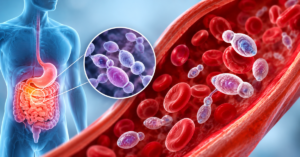
Infection prevention and control (IPC) refers to a set of practices designed to prevent the spread of infectious diseases. These measures help protect individuals, families, healthcare workers, and communities from bacteria, viruses, fungi, and other harmful microorganisms.
Simple preventive habits can significantly reduce the risk of common infections.
Common Ways Infections Spread
Infections can spread through:
- Direct contact with an infected person
- Airborne droplets from coughing or sneezing
- Contaminated food or water
- Touching contaminated surfaces
- Insect bites such as mosquitoes
- Poor personal hygiene
- Unsafe medical practices
Understanding these transmission routes helps people take appropriate precautions.
Who Is at Higher Risk?
Certain individuals are more vulnerable to infections, including:
- Older adults
- Infants and young children
- Pregnant women
- People with diabetes
- Individuals undergoing cancer treatment
- Organ transplant recipients
- People with weakened immune systems
- Patients with chronic illnesses
Extra care is essential for these groups.
Effective Infection Prevention Measures
You can reduce your risk of infection by following these simple habits:
Wash Your Hands Regularly
Handwashing with soap and water remains one of the most effective ways to prevent infections.
Maintain Good Personal Hygiene
Regular bathing, clean clothing, and proper oral hygiene reduce the spread of germs.
Stay Up to Date with Vaccinations
Vaccines help protect against several preventable infectious diseases.
Eat Safe and Nutritious Food
Consume freshly prepared food and drink clean, safe water to reduce foodborne infections.
Practice Respiratory Hygiene
Cover your mouth and nose while coughing or sneezing and dispose of tissues properly.
Keep Your Surroundings Clean
Regularly disinfect frequently touched surfaces at home and workplaces.
Avoid Unnecessary Antibiotic Use
Take antibiotics only when prescribed by a healthcare professional to reduce antibiotic resistance.
Warning Signs of Infection
Seek medical attention if you experience:
- Persistent fever
- Chills
- Cough lasting several days
- Difficulty breathing
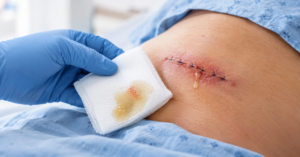
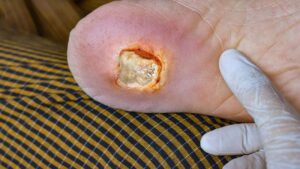
- Redness or swelling around wounds
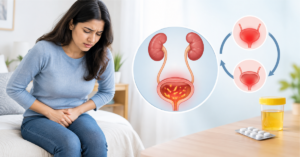
- Burning during urination
- Persistent diarrhea
- Unexplained fatigue
Early diagnosis helps prevent complications.
Role of a General Physician
A general physician doctor in Indore can:
- Diagnose common infections
- Recommend appropriate investigations
- Prescribe suitable treatment
- Monitor recovery
- Identify patients requiring specialist referral
- Provide preventive health advice
Regular health check-ups also help detect underlying conditions that may increase infection risk.
Why Prevention Is Better Than Cure
Preventing infections not only protects your health but also reduces hospital visits, healthcare costs, and the spread of disease within the community. Simple daily precautions combined with timely medical advice can make a significant difference.
Following recommended practices for infection prevention in Indore contributes to healthier families and safer communities.
Infection prevention is a shared responsibility that begins with good hygiene, healthy lifestyle choices, vaccination, and timely medical care. Recognizing symptoms early and seeking advice from a general physician doctor in Indore can help prevent minor infections from becoming serious illnesses. By adopting preventive measures every day, you can protect yourself and those around you from many common infectious diseases.
FAQs
1. Why is infection prevention in Indore important?
Infection prevention in Indore helps reduce the spread of infectious diseases, protects vulnerable individuals, and supports overall community health.
2. When should I consult a general physician doctor in Indore for an infection?
You should consult a general physician doctor in Indore if you have persistent fever, cough, breathing difficulty, severe diarrhea, or symptoms that do not improve within a few days.
3. Can simple hygiene practices prevent infections?
Yes. Regular handwashing, safe food handling, respiratory hygiene, and maintaining cleanliness can significantly reduce the risk of many infections.
4. Who is more likely to develop serious infections?
Older adults, young children, pregnant women, people with diabetes, cancer patients, and individuals with weakened immunity are at higher risk.
5. Can vaccinations help with infection prevention?
Yes. Vaccinations are one of the most effective ways to prevent several infectious diseases and reduce their spread.