Diabetes is a long-term health condition that affects how the body controls blood sugar levels. Early diagnosis and proper care can help prevent complications and support a healthier life. If you are looking for Diabetes Treatment in Indore, understanding the different types of diabetes is an important first step. Each type has different causes and may require a different treatment approach.
Dr. Prerna Bedi Lakhotia helps patients understand the importance of timely medical evaluation and appropriate treatment. With the right guidance, people living with diabetes can manage their blood sugar levels and reduce the risk of long-term health problems.
What Is Diabetes?
Diabetes develops when the body does not produce enough insulin or cannot use insulin effectively. Insulin is a hormone produced by the pancreas. It helps glucose move from the bloodstream into the body’s cells, where it is used for energy.
When insulin does not work properly, blood sugar levels can rise. If left uncontrolled, diabetes may increase the risk of heart disease, kidney problems, nerve damage, and vision difficulties.
Common symptoms include:
- Increased thirst and frequent urination
- Unusual tiredness or weakness
- Unexplained weight loss
- Blurred vision
- Slow-healing wounds
- Frequent infections
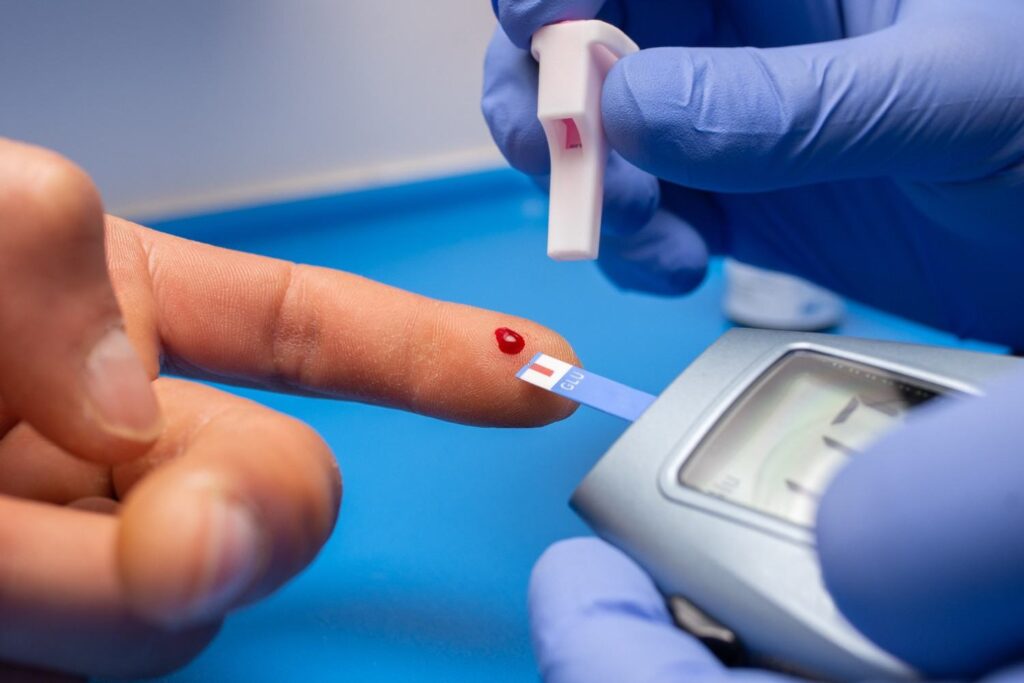
Some people may not experience noticeable symptoms. Therefore, appropriate blood sugar testing is important, especially for people with risk factors.
What Are the Different Types of Diabetes?
There are three main types of diabetes: type 1, type 2, and gestational diabetes. Other less common forms can develop because of genetic conditions, pancreatic diseases, or certain medications.
1. Type 1 Diabetes
Type 1 diabetes is an autoimmune condition. The immune system mistakenly attacks the insulin-producing cells in the pancreas. As a result, the body produces little or no insulin.
It often develops in children and young adults, but it can occur at any age. Its development is not simply caused by eating too much sugar or having an unhealthy lifestyle.
How is type 1 diabetes treated?
Insulin therapy is essential for people with type 1 diabetes. Treatment may include:
- Daily insulin injections or an insulin pump
- Regular blood glucose monitoring
- A balanced eating plan
- Physical activity suited to individual needs
- Education about recognising and managing low blood sugar
Consistent medical supervision helps people manage their condition safely and confidently.
2. Type 2 Diabetes
Type 2 diabetes is the most common form of diabetes. It occurs when the body’s cells become less responsive to insulin, a condition known as insulin resistance. Over time, the pancreas may also struggle to produce enough insulin.
Risk factors include family history, excess body weight, physical inactivity, increasing age, and a history of gestational diabetes.
How is type 2 diabetes treated?
Treatment depends on blood sugar levels, medical history, and other health conditions. It may include:
- Eating balanced meals with appropriate portion sizes
- Regular physical activity
- Weight management, when appropriate
- Oral diabetes medicines
- Injectable medicines or insulin, when needed
- Regular blood sugar and HbA1c testing
Some patients need more than one medicine to achieve their treatment goals. The choice of medication should be personalised by a qualified healthcare professional.
People seeking Diabetes Treatment in Indore should discuss their symptoms, test results, and risk factors with a healthcare professional to develop a suitable treatment plan.
3. Gestational Diabetes
Gestational diabetes develops during pregnancy in people who did not previously have diabetes. Pregnancy-related hormonal changes can make it harder for the body to use insulin effectively.
It often does not cause obvious symptoms, which is why screening during pregnancy is important.
How is gestational diabetes treated?
Management may involve:
- Following a pregnancy-appropriate eating plan
- Staying physically active when medically safe
- Monitoring blood glucose levels
- Taking prescribed medication or insulin if needed
- Attending regular antenatal appointments
Blood sugar levels often return to normal after delivery. However, gestational diabetes increases the future risk of type 2 diabetes, so follow-up testing after pregnancy is important.
4. Other Less Common Types of Diabetes
Some people develop diabetes due to genetic conditions, pancreatic disorders, hormonal diseases, or particular medications. Diabetes can also occur after damage to the pancreas.
Treatment depends on the underlying cause. A detailed medical history and appropriate investigations can help determine the correct diagnosis.
How Is Diabetes Diagnosed?
Accurate diagnosis helps determine the type of diabetes and the most appropriate treatment. Doctors may recommend one or more of the following tests:
Fasting blood glucose: Measures blood sugar after fasting for a specified period.
HbA1c test: Estimates average blood sugar levels over approximately two to three months.
Oral glucose tolerance test: Measures how the body processes glucose after drinking a glucose-containing solution. It is also used to diagnose gestational diabetes.
Random blood glucose test: Measures blood sugar at a particular time, regardless of when the person last ate.
Additional tests may be needed when the type of diabetes is uncertain. A healthcare professional interprets the results alongside symptoms and medical history.
Lifestyle Changes That Support Diabetes Management
Lifestyle changes are an important part of managing many forms of diabetes. However, they do not replace essential medication, particularly insulin in type 1 diabetes.
Consider these practical steps:
- Choose balanced meals: Include vegetables, whole grains, suitable protein sources, and fibre-rich foods.
- Stay physically active: Aim for regular activity suited to your health and fitness level.
- Monitor blood sugar: Follow the testing schedule recommended by your healthcare professional.
- Maintain a healthy weight: Seek professional guidance if weight management is part of your treatment.
- Prioritise sleep: Maintain a consistent sleep routine.
- Attend regular check-ups: Monitor your eyes, kidneys, feet, blood pressure, and cholesterol as advised.
Small, consistent changes can make diabetes management more achievable over time.
Why Is Early Diabetes Treatment Important?
Uncontrolled diabetes can gradually damage blood vessels and nerves. It may affect the heart, kidneys, eyes, and feet. Early treatment helps reduce these risks and allows patients to understand how to manage their condition.
If you notice persistent thirst, frequent urination, unexplained weight loss, or unusual fatigue, consult a healthcare professional. Seek urgent medical care for severe weakness, vomiting, difficulty breathing, confusion, or other signs of a serious complication.
Choosing appropriate Diabetes Treatment in Indore can help you receive an individual assessment, suitable testing, and ongoing guidance for managing your health.
Conclusion
Diabetes is manageable, but the right approach depends on its type, severity, and the patient’s overall health. Type 1 diabetes requires insulin, type 2 diabetes may need lifestyle changes and medication, and gestational diabetes requires careful monitoring throughout pregnancy.
Dr. Prerna Bedi Lakhotia emphasises the importance of timely diagnosis, personalised care, and regular follow-up. If you are considering Diabetes Treatment in Indore, consult a qualified healthcare professional to understand your condition and discuss suitable treatment options. With consistent care, many people with diabetes can maintain a good quality of life.
FAQs About Diabetes
1. What are the three main types of diabetes?
The three main types are type 1 diabetes, type 2 diabetes, and gestational diabetes. They differ in their causes and treatment requirements.
2. Can type 2 diabetes be managed without insulin?
Some people with type 2 diabetes can manage their blood sugar with lifestyle changes and non-insulin medicines. Others may need insulin, depending on their condition and treatment goals.
3. What are the early warning signs of diabetes?
Common warning signs include frequent urination, increased thirst, tiredness, blurred vision, and unexplained weight loss. Some people have no noticeable symptoms.
4. Is diabetes during pregnancy permanent?
Not always. Blood sugar levels often return to normal after delivery, but gestational diabetes increases the future risk of type 2 diabetes. Follow-up screening is important.
5. How often should people with diabetes check their blood sugar?
The frequency depends on the type of diabetes, medicines, blood sugar control, and individual circumstances. A healthcare professional can recommend an appropriate monitoring schedule.
For More Information, Visit Now: https://share.google/pVPzphm40R2ox810o