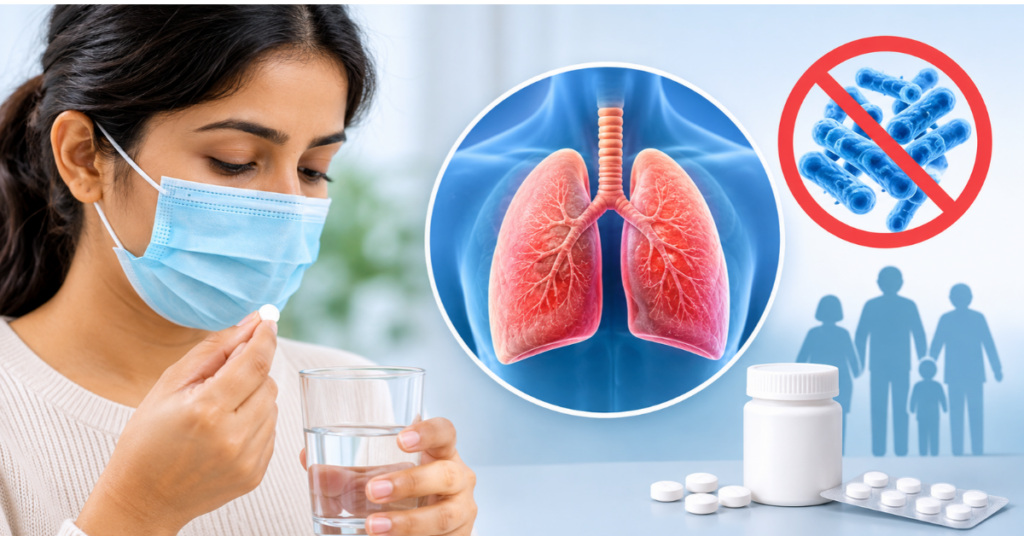
Tuberculosis (TB) is a bacterial infection that mainly affects the lungs but can also affect other parts of the body. It spreads through the air when a person with active TB coughs, sneezes or speaks. However, not everyone exposed to TB bacteria develops an active infection. Some people carry TB bacteria in an inactive form, known as latent TB infection.
TB preventive treatment helps reduce the risk of developing active tuberculosis in people who are infected with TB bacteria but do not currently have active TB disease. It is an important step in preventing the spread of tuberculosis and protecting people at higher risk.
What Is TB Preventive Treatment?
TB preventive treatment (TPT), previously known as TB preventive therapy, involves taking specific anti-tuberculosis medicines to eliminate inactive TB bacteria before they become active and cause illness.
People with latent TB infection generally do not experience symptoms and cannot spread TB to others. However, the bacteria may become active later, particularly when the immune system becomes weak.
Preventive treatment helps lower this risk and is recommended for eligible individuals after proper medical evaluation.
Who May Need TB Preventive Treatment?
Not everyone exposed to tuberculosis needs preventive medication. However, certain individuals have a higher risk of developing active TB and may benefit from treatment.
Some high-risk groups include:
- People who have been in close contact with TB patients: Family members and people living with someone diagnosed with active pulmonary TB may need screening and preventive treatment.
- People living with HIV: Their weakened immune systems increase the risk of developing active tuberculosis.
- Children under five years: Young children who have been exposed to someone with infectious TB are at increased risk of developing severe disease.
- People with weakened immunity: Individuals taking immunosuppressive medicines or undergoing certain medical treatments may have a higher risk.
- People with certain medical conditions: Conditions such as diabetes and other illnesses that affect immunity may increase the risk of developing active TB.
A doctor evaluates each person’s exposure history, health condition and test results before recommending preventive treatment.
What Tests Are Needed Before Starting Treatment?
Before starting TB preventive treatment, doctors must rule out active tuberculosis. This is important because preventive treatment alone is not sufficient for someone who already has active TB disease.
Common tests may include:
- TB Skin Test (Mantoux Test): Helps identify whether a person has been infected with TB bacteria.
- IGRA Blood Test: A blood test that checks the immune response to TB bacteria.
- Chest X-ray: Helps identify signs that may suggest active tuberculosis.
- Sputum Test: May be recommended if the person has symptoms or findings suggesting pulmonary TB.
The choice of tests depends on the person’s age, symptoms, medical history and risk factors.
How Does TB Preventive Treatment Work?
The treatment usually involves taking one or more anti-TB medicines for a specific duration. Depending on the patient’s age, health condition, exposure history and possible drug resistance, a doctor may recommend different treatment options.
Common preventive treatment regimens include:
- Isoniazid-based treatment.
- Isoniazid with rifampicin.
- Isoniazid with rifapentine.
- Other recommended regimens based on the type of TB exposure.
The duration may range from one month to several months, depending on the prescribed regimen. Patients should complete the full course as advised by their doctor. World Health Organization+1
Are There Any Side Effects of TB Preventive Treatment?
Like other medicines, TB preventive medicines may cause side effects in some people. These can include:
- Nausea or vomiting.
- Loss of appetite.
- Abdominal discomfort.
- Skin rashes.
- Unusual tiredness.
- Changes in liver function.
Patients should inform their doctor if they experience unusual symptoms, particularly yellowing of the eyes or skin, dark urine or severe abdominal pain. Regular medical monitoring may be required during treatment.
Why Is Early TB Prevention Important?
Early identification of TB infection can help prevent the development of active tuberculosis. Preventive treatment is particularly important for children, people with HIV and individuals with weakened immune systems.
It also helps reduce the future burden of TB by protecting people who are at a higher risk of developing the disease.
When Should You Consult a Doctor?
If you have been in close contact with someone diagnosed with tuberculosis, have a weakened immune system or belong to a high-risk group, consult a healthcare professional for proper screening.
Do not start TB preventive medicines without medical advice. A doctor should first evaluate whether active TB disease is present and determine the most appropriate treatment.
For proper evaluation, diagnosis and TB Treatment in Indore, visit Infection Doctor Indore and seek guidance from an experienced medical professional.