Joint pain, swelling, redness, and difficulty moving can sometimes indicate a serious infection rather than a routine joint problem. Joint Infection in Indore requires timely medical evaluation because an untreated infection may damage cartilage and affect joint movement. Early diagnosis and appropriate treatment can help reduce complications and support recovery.
Dr. Prerna Bedi Lakhotia provides medical evaluation and guidance for patients experiencing infectious diseases and infection-related complications. Understanding how joint infections develop, how doctors diagnose them, and what treatment options are available can help patients make informed decisions about their health.
What Is a Joint Infection?
A joint infection, medically known as infectious or septic arthritis, occurs when harmful microorganisms enter a joint and cause inflammation. Bacteria are the most common cause of acute septic arthritis, although certain fungal and other infections may also affect joints.
The infection can involve the knee, hip, shoulder, ankle, wrist, or other joints. In some cases, microorganisms travel through the bloodstream from another infected part of the body. In other situations, infection develops following an injury, surgery, or joint injection.
Patients seeking Joint Infection in Indore should understand that infectious arthritis is different from ordinary arthritis. While osteoarthritis usually develops gradually due to joint wear, an infectious joint condition may progress rapidly and requires urgent medical attention.
Common Symptoms of Joint Infection
Recognising symptoms early is important for preventing joint damage. Common signs of joint infection include:
- Severe pain in the affected joint
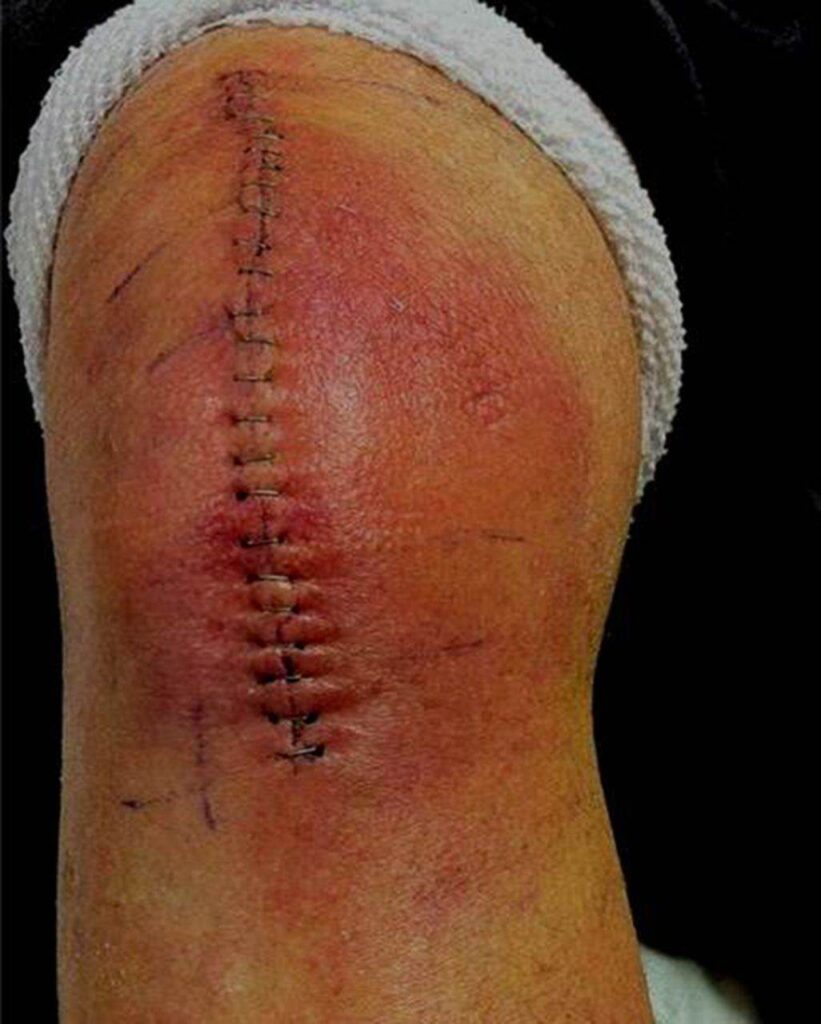
- Swelling and tenderness
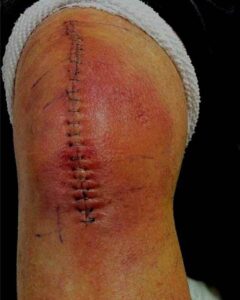
- Redness or warmth around the joint
- Difficulty bending or straightening the joint
- Restricted movement or inability to bear weight
- Fever, chills, or general weakness
- Sudden worsening of joint discomfort
Not every patient develops fever. Therefore, the absence of fever does not automatically rule out an infection.
If a joint becomes suddenly painful, hot, and swollen, particularly with fever or difficulty moving, seek urgent medical evaluation.
How Is Joint Infection Diagnosed in Indore?
Accurate diagnosis is essential because joint infections can resemble gout, inflammatory arthritis, or other musculoskeletal conditions. Dr. Prerna Bedi Lakhotia may evaluate the patient’s symptoms, medical history, examination findings, and appropriate investigations to help identify an infection.
1. Medical History and Physical Examination
The diagnostic process usually begins with a detailed medical history.
The doctor may ask about the duration of symptoms, recent injuries, previous infections, joint surgery, diabetes, immune-related conditions, and current medications.
A physical examination helps assess swelling, warmth, tenderness, and the range of joint movement. These findings help determine whether further investigations are required.
2. Blood Tests for Infection
Blood investigations can help identify inflammation and assess the patient’s overall condition.
Common tests include:
- Complete Blood Count (CBC)
- C-Reactive Protein (CRP)
- Erythrocyte Sedimentation Rate (ESR)
- Blood cultures when bloodstream infection is suspected
These tests support the diagnostic process and help monitor treatment response. However, normal inflammatory markers cannot independently exclude septic arthritis.
3. Joint Fluid Analysis
Joint aspiration is one of the most important investigations when septic arthritis is suspected.
During this procedure, a healthcare professional uses a sterile needle to collect fluid from the affected joint. The sample may be examined for:
- White blood cell count
- Gram staining
- Bacterial culture and sensitivity
- Crystal analysis when required
Joint fluid testing can help identify the causative organism and distinguish infection from certain other joint conditions.
4. Imaging Tests
Imaging may help assess joint swelling, fluid accumulation, and possible damage to surrounding structures.
Depending on the clinical situation, doctors may recommend:
- X-rays to evaluate joint structure
- Ultrasound to identify fluid accumulation and guide aspiration
- MRI to assess deeper infection or possible involvement of surrounding bone and soft tissues
The choice of investigation depends on symptoms, examination findings, and suspected complications.
How Is Joint Infection Treated by Dr. Prerna Bedi Lakhotia?
Treatment depends on the causative organism, the affected joint, infection severity, and the patient’s medical condition. Suspected septic arthritis generally requires urgent hospital-based evaluation.
1. Antibiotic Treatment
Antibiotics are commonly required for bacterial joint infections.
Initially, doctors may prescribe appropriate empirical antibiotics based on the suspected organisms and clinical condition. Once culture and sensitivity reports become available, treatment can be adjusted according to the identified bacteria and their antibiotic susceptibility.
Antibiotics may initially be administered intravenously, followed by oral medication when clinically appropriate.
The duration of treatment varies according to the infection, response, and complications. Patients should complete the prescribed course and avoid stopping antibiotics without medical advice.
2. Joint Drainage
An infected joint may contain accumulated fluid or pus that needs to be removed.
Joint drainage helps reduce pressure, remove infected material, and support infection control. Depending on the affected joint and clinical findings, drainage may involve:
- Needle aspiration
- Arthroscopic drainage
- Surgical drainage
Large joints with bacterial infection often require timely drainage. The appropriate method is determined by the treating medical and orthopedic team.
3. Treatment of the Underlying Infection
Sometimes, joint infection develops because microorganisms spread from another infected area.
In such cases, doctors may investigate and treat the underlying source. This may include a bloodstream infection, skin infection, or another infectious condition.
Managing the primary infection is important to prevent further complications and support recovery.
4. Monitoring and Rehabilitation
Recovery requires regular monitoring of symptoms and treatment response.
Doctors may evaluate pain, swelling, joint movement, fever, and inflammatory markers during follow-up. Once the infection is controlled, gradual joint mobilisation and physiotherapy may help improve flexibility and prevent stiffness.
Rehabilitation should begin at the appropriate stage under medical guidance.
Who Is at Higher Risk of Joint Infection?
Certain individuals have a higher risk of developing infectious arthritis.
These include:
- People living with diabetes
- Individuals with weakened immune systems
- Patients with rheumatoid arthritis
- People with artificial joints
- Patients who recently underwent joint surgery
- Individuals with bloodstream infections
- Patients receiving certain immunosuppressive medications
People with these risk factors should seek timely medical attention if they develop unexplained joint pain, swelling, or fever.
Why Early Treatment of Joint Infection Matters
Early treatment can help reduce the risk of permanent joint damage.
When bacteria remain inside a joint, inflammation may damage cartilage and surrounding tissues. Delayed treatment can lead to restricted movement, chronic pain, bone involvement, or systemic complications.
For patients looking for Joint Infection in Indore, prompt medical evaluation is especially important when symptoms develop suddenly or worsen rapidly.
Early diagnosis, appropriate antimicrobial treatment, joint drainage when required, and regular monitoring are important components of effective management.
Consult Dr. Prerna Bedi Lakhotia for Joint Infection in Indore
Joint infections require careful evaluation and timely treatment. Recognising symptoms, obtaining appropriate investigations, and following a medically guided treatment plan can help prevent complications.
Dr. Prerna Bedi Lakhotia offers medical guidance for patients dealing with infectious diseases and related health concerns. Patients experiencing persistent fever, suspected infection, or unexplained joint inflammation should seek appropriate medical assessment.
If you are searching for Joint Infection in Indore, consult a qualified medical professional promptly to understand the cause of your symptoms and the treatment options suitable for your condition.
Conclusion
Joint infection is a serious medical condition that should never be ignored. Sudden joint pain, swelling, warmth, and restricted movement may indicate septic arthritis and require urgent assessment. Early diagnosis through clinical examination, blood tests, joint fluid analysis, and imaging can help identify the infection.
Treatment may include antibiotics, joint drainage, management of the underlying infection, and rehabilitation. Timely medical care can reduce the risk of complications and improve the chances of preserving joint function.
Frequently Asked Questions
1. What are the first signs of a joint infection?
The first signs commonly include sudden joint pain, swelling, warmth, tenderness, and difficulty moving the affected joint. Fever may also occur.
2. Can a joint infection occur without fever?
Yes. Some patients with joint infections do not develop fever. Sudden joint pain and swelling should be medically evaluated even when body temperature is normal.
3. How is a joint infection confirmed?
Joint infection is commonly investigated through clinical examination, blood tests, and joint fluid aspiration. Fluid culture helps identify the causative microorganism.
4. How long does treatment for a joint infection take?
Treatment duration depends on the microorganism, infection severity, and response to therapy. Some patients require several weeks of antibiotics and additional procedures.
5. When should I consult a doctor for Joint Infection in Indore?
Seek urgent medical evaluation if you experience sudden severe joint pain, swelling, warmth, fever, or difficulty moving the joint. Early treatment is important to prevent permanent joint damage.
For More Information, Visit Now: https://share.google/pVPzphm40R2ox810o