Surgery is often an important step towards better health, but proper recovery is equally important. Sometimes, patients develop an infection around the surgical wound after an operation. This can cause pain, swelling, redness, discharge, and delayed healing. Understanding the causes and warning signs of surgical wound infections can help patients seek timely medical attention.
What Is a Post-Surgical Infection?
A post-surgical infection, also known as a surgical site infection (SSI), occurs when bacteria or other microorganisms enter the body through an incision or surgical wound. It may affect the skin, tissues, or deeper areas around the operated site.
These infections can develop within a few days after surgery or sometimes later, depending on the procedure and the patient’s health.
What Causes Surgical Wounds to Get Infected?
Several factors can increase the risk of infection after surgery, including:
- Poor Wound Hygiene: Improper wound cleaning or dressing changes may increase the risk of bacterial growth.
- Diabetes: Uncontrolled blood sugar can slow wound healing and increase infection risk.
- Low Immunity: Patients with weakened immune systems may be more vulnerable to infections.
- Hospital-Acquired Bacteria: Certain bacteria present in healthcare environments can cause infections.
- Prolonged Hospital Stay: Longer hospitalisation may increase exposure to infection-causing organisms.
Common Signs of Surgical Wound Infection
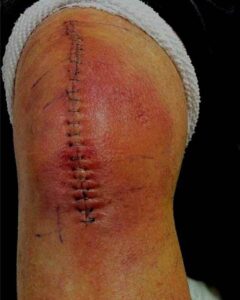
Patients should carefully monitor their surgical wounds during recovery. Some common warning signs include:
- Increasing redness or swelling around the incision.
- Pain that becomes worse instead of improving.
- Pus or unusual discharge from the wound.
- Fever or chills.
- Unpleasant smell from the surgical site.
- Delayed wound healing or opening of the incision.
If you notice these symptoms, consult a doctor rather than trying to treat the wound yourself.
How Are Post-Surgical Infections Diagnosed?
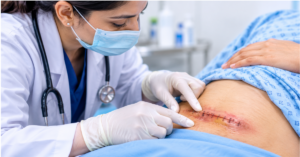
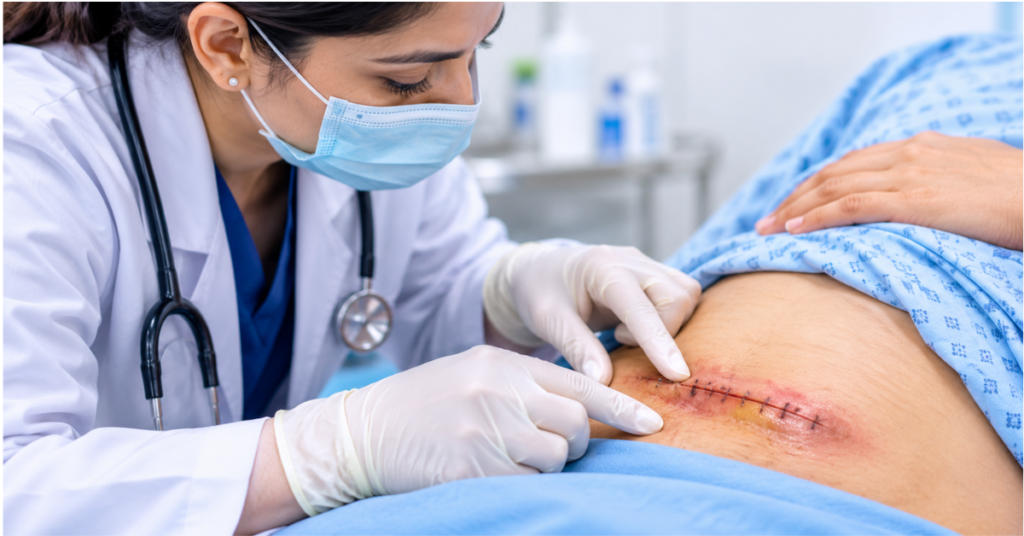
Accurate diagnosis is important for selecting the right treatment. The doctor may examine the surgical wound and review the patient’s medical history.
Depending on the symptoms, investigations may include blood tests, wound cultures, imaging tests, or other specialised investigations. A wound culture can help identify the bacteria responsible for the infection and determine which antibiotics may be effective.
What Is the Treatment for Surgical Site Infections?
Treatment depends on the infection’s severity, location, and the microorganism responsible.
Possible treatment approaches include:
- Appropriate antibiotics based on clinical findings and culture reports.
- Regular wound cleaning and dressing.
- Drainage of an infected collection when medically required.
- Blood sugar management in diabetic patients.
- Close monitoring to prevent complications.
Not every wound infection requires the same antibiotics. Taking medicines without proper diagnosis may delay recovery and contribute to antibiotic resistance.
When Should You Consult an Infection Specialist?
Do not ignore persistent fever, increasing wound pain, pus discharge, or redness spreading around the surgical area. Patients with diabetes, low immunity, or implanted medical devices may require special attention.
Early diagnosis and appropriate treatment can help prevent the infection from spreading to deeper tissues or the bloodstream.
If you are experiencing signs of a surgical wound infection, consult Dr. Prerna Bedi Lakhotia for expert evaluation and Surgical Infection Treatment in Indore. Timely medical care can help manage infections and support a safer recovery.