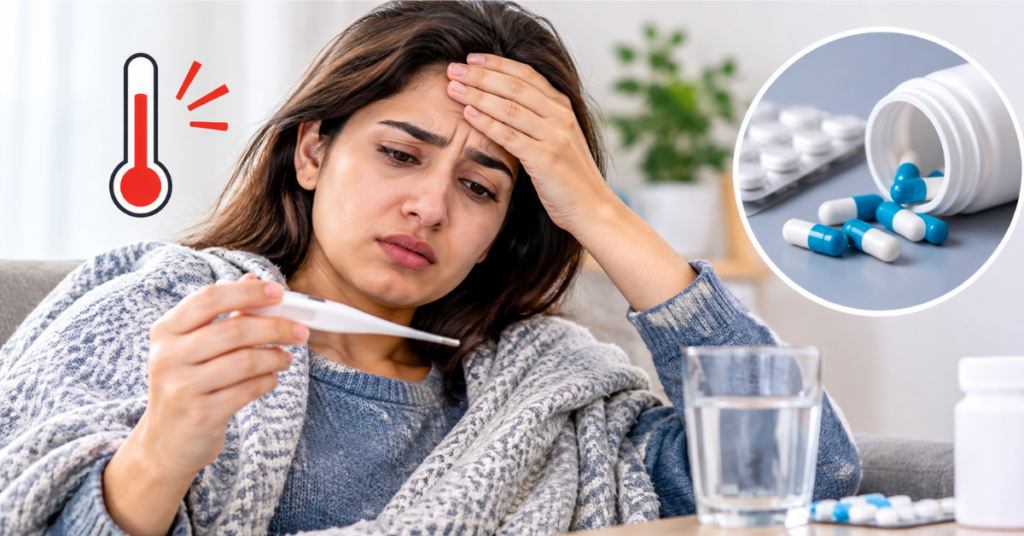
Fever is a common symptom of infection, and antibiotics are often prescribed to treat bacterial infections. However, some people notice that their fever returns even after completing the full course of antibiotics. This can be confusing and worrying, especially when they initially felt better during treatment.
A recurring fever does not always mean that antibiotics have failed. It may indicate an underlying infection, an incorrect diagnosis, antibiotic resistance, or another medical condition that needs further evaluation.
1. The Original Infection May Not Have Cleared Completely
Sometimes, an infection may not be fully controlled despite completing antibiotics. Certain bacterial infections require specific medications or additional medical treatment. If the underlying infection remains active, fever may return after temporary improvement.
2. Antibiotic Resistance Can Affect Treatment
Antibiotic resistance occurs when bacteria develop the ability to survive medicines that previously killed them. In such situations, the prescribed antibiotic may not work effectively against the infection.
Doctors may recommend culture and sensitivity testing to identify the bacteria and determine which antibiotics are likely to work. Proper evaluation is important before changing medications.
3. The Fever May Be Caused by a Viral Infection
Not every fever is caused by bacteria. Viral infections such as dengue, influenza, and other viral illnesses can cause fever that lasts several days or returns during recovery.
Antibiotics do not treat viral infections. Therefore, taking antibiotics without identifying the actual cause may not resolve the fever.
4. An Underlying Infection May Be Present
Sometimes, fever returns because an infection in another part of the body has not been identified. Possible causes include:
- Urinary tract or kidney infections
- Tuberculosis (TB)
- Deep-seated bacterial infections
- Abscesses
- Bone and joint infections
- Certain fungal infections
These conditions may require specific investigations and treatment depending on their severity and location.
5. A New Infection May Develop
It is also possible to develop a new infection after recovering from the original illness. Exposure to contaminated food or water, mosquito bites, or contact with an infected person may lead to another illness.
A doctor can evaluate the timing of the fever and associated symptoms to determine whether it is a recurring or new infection.
What Tests May Be Needed When Fever Returns?
If fever returns after completing antibiotics, a doctor may recommend investigations based on the symptoms and medical history.
These may include:
- Complete Blood Count (CBC)
- Blood culture
- Urine routine examination and culture
- Dengue or malaria tests, when indicated
- Other infection-specific investigations
Not everyone requires all these tests. The appropriate investigations depend on the suspected cause.
When Should You Consult a Doctor?
Do not ignore fever that returns after completing treatment. Consult a doctor if you experience repeated fever, persistent chills, unusual weakness, night sweats, unexplained weight loss, or symptoms that are not improving.
Seek urgent medical attention if fever is accompanied by difficulty breathing, confusion, severe dehydration, a stiff neck, or other serious symptoms.
Avoid starting another antibiotic or repeating an old prescription without medical advice. Taking unnecessary antibiotics can increase resistance and delay the correct diagnosis.
If you experience persistent or recurring fever, consulting an Infectious Disease Specialist in Indore can help identify the underlying cause. For appropriate Fever Treatment in Indore, Dr. Prerna Bedi Lakhotia focuses on accurate diagnosis and personalized treatment to manage infections effectively.