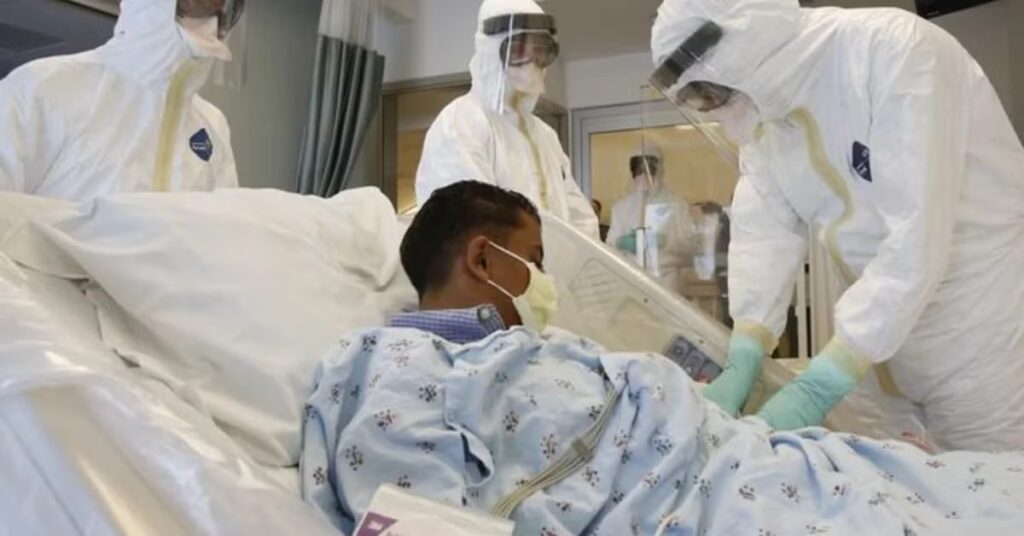
Infections can affect different parts of the body and cause a wide range of symptoms. Some infections are mild and improve within a few days. Others may become serious and require specialised medical care. Identifying the exact cause is important for effective treatment. An Infectious Disease Specialist in Indore helps diagnose infections through medical history, physical examinations, laboratory tests, and other diagnostic procedures.
Dr. Prerna Bedi Lakhotia provides specialised care for patients dealing with various infectious conditions. The diagnostic process focuses on identifying the infection, understanding its severity, and selecting an appropriate treatment plan.
What Does an Infectious Disease Specialist Diagnose?
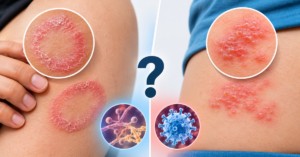
An infectious disease specialist evaluates illnesses caused by different microorganisms. These include bacteria, viruses, fungi, and parasites.
Each type of infection requires a different diagnostic approach. Therefore, identifying the responsible microorganism is an important part of treatment.
Common infections evaluated by specialists include:
- Bacterial infections, such as urinary tract infections and pneumonia.
- Viral infections, such as dengue, influenza, and hepatitis.
- Fungal infections affecting the skin, lungs, or other organs.
- Parasitic infections, such as malaria.
- Persistent or unexplained fever.
- Recurrent and complicated infections.
- Antibiotic-resistant infections.
An experienced Infectious Disease Specialist in Indore considers the patient’s symptoms and medical history before recommending suitable investigations.
1. Understanding the Patient’s Medical History
The diagnostic process usually begins with a detailed discussion about the patient’s health.
The doctor asks questions about symptoms, their duration, and any previous infections. This information helps identify possible causes.
Important details may include:
- When did the symptoms begin?
- Is there a fever, cough, pain, or weakness?
- Has the patient travelled recently?
- Is there any history of repeated infections?
- Has the patient taken antibiotics or other medicines?
- Does the patient have an existing medical condition?
These details help the specialist understand the possible source of infection and decide which tests may be necessary.
2. Physical Examination and Symptom Assessment
After reviewing the medical history, the doctor performs a physical examination.
This helps identify signs that may indicate an infection. The examination depends on the patient’s symptoms.
For example, a patient with a persistent cough may need a chest examination. Someone experiencing abdominal pain may require an abdominal assessment.
The doctor may check:
- Body temperature.
- Heart rate and blood pressure.
- Breathing pattern.
- Swelling or inflammation.
- Skin rashes or unusual marks.
- Signs of dehydration.
- Tenderness or pain in affected areas.
A physical examination helps narrow down the possible causes before laboratory investigations.
3. Blood Tests for Detecting Infections
Blood tests are commonly used to investigate infections. They provide useful information about the body’s response to illness.
An Infectious Disease Specialist in Indore may recommend different blood tests depending on the symptoms and suspected condition.
Some commonly used investigations include:
Complete Blood Count (CBC): This test measures different blood cells. Changes in white blood cell levels may provide clues about infection or inflammation.
CRP Test: C-reactive protein is a marker of inflammation. Higher levels may indicate an inflammatory process, including infection.
Blood Culture: This test helps detect bacteria or fungi present in the bloodstream. It can also help identify suitable medicines.
Specific Infection Tests: Additional blood tests may be required to investigate conditions such as dengue, malaria, hepatitis, or other infections.
Not every patient needs all these tests. The doctor selects investigations based on individual symptoms.
4. Identifying Viral and Bacterial Infections
Viral and bacterial infections can produce similar symptoms. Fever, fatigue, body pain, and weakness may occur in both conditions.
However, their treatment approaches are different.
Viral infections are caused by viruses. Depending on the condition, treatment may include supportive care or specific antiviral medicines.
Bacterial infections are caused by bacteria. Some require antibiotics, depending on the type and severity of infection.
Doctors may use blood tests, cultures, antigen tests, or molecular tests to identify the cause.
Correct diagnosis is important because antibiotics do not treat viral infections. Unnecessary antibiotic use can also contribute to antimicrobial resistance.
5. Microbiological Culture and Sensitivity Testing
Culture and sensitivity testing is useful when doctors need to identify the microorganism responsible for an infection.
A sample may be collected from blood, urine, sputum, or another affected area.
The sample is sent to a laboratory for examination. If bacteria or fungi grow in the culture, further testing may help identify the organism.
Sensitivity testing checks which medicines are likely to work against the identified microorganism.
This is particularly important for complicated infections and cases where initial treatment has not worked.
6. Imaging Tests for Detecting Internal Infections
Some infections affect internal organs and cannot be identified through physical examination alone.
In such situations, imaging investigations may help doctors understand the condition.
Common imaging methods include:
- X-ray: Helps investigate certain lung infections, including pneumonia.
- Ultrasound: May help identify infections or collections of fluid in specific organs.
- CT Scan: Provides detailed images of internal structures.
- MRI: Helps evaluate selected infections involving soft tissues, joints, or the brain.
The doctor recommends imaging only when it is clinically necessary.
7. Diagnosing Fungal and Parasitic Infections
Fungal and parasitic infections can sometimes be difficult to identify because their symptoms overlap with other illnesses.
Fungal infections may affect the skin, nails, lungs, or internal organs. Diagnosis may involve microscopy, fungal cultures, blood tests, or tissue samples.
Parasitic infections may be investigated through blood tests, stool examination, or other specialised investigations.
For example, malaria diagnosis commonly involves blood-based testing to detect the parasite.
The choice of test depends on the suspected infection, symptoms, and medical history.
8. Diagnosing Persistent Fever and Recurrent Infections
A fever that continues for several days or keeps returning should not be ignored.
Sometimes, the cause is a common infection. In other cases, it may involve a complicated bacterial infection, tuberculosis, an inflammatory condition, or another underlying problem.
An Infectious Disease Specialist in Indore evaluates persistent fever by reviewing previous reports, examining symptoms, and selecting appropriate investigations.
Recurrent infections also need careful evaluation. The doctor may investigate possible underlying conditions, treatment failures, or antimicrobial resistance.
Early evaluation can help prevent unnecessary medication and delays in diagnosis.
Why Choose Dr. Prerna Bedi Lakhotia for Infectious Disease Consultation?
Choosing the right specialist is important when an infection is persistent, complicated, or difficult to diagnose.
Dr. Prerna Bedi Lakhotia focuses on evaluating infectious conditions through a structured diagnostic approach.
A specialist consultation can help with:
- Understanding unexplained or persistent fever.
- Evaluating recurrent infections.
- Identifying complicated bacterial and viral infections.
- Reviewing laboratory and diagnostic reports.
- Assessing possible antibiotic resistance.
- Planning appropriate treatment and follow-up.
If you are experiencing persistent symptoms or have concerns about a complicated infection, consider consulting a qualified specialist.
Conclusion
Accurate diagnosis is the foundation of effective infection management. Medical history, physical examination, blood investigations, culture tests, and imaging procedures all help identify the underlying cause.
Every infection is different. Therefore, treatment should be based on the specific microorganism, affected body part, and overall health of the patient.
Consulting an experienced Infectious Disease Specialist in Indore, such as Dr. Prerna Bedi Lakhotia, can help patients understand their condition and receive appropriate medical guidance.
Frequently Asked Questions (FAQs)
1. When should I consult an infectious disease specialist?
You should consider consulting a specialist if you have persistent fever, recurrent infections, complicated infections, or symptoms that do not improve with initial treatment.
2. Which tests are used to diagnose infectious diseases?
Common investigations include CBC, CRP, blood cultures, urine tests, stool tests, antigen tests, and molecular tests. The doctor selects tests according to the suspected infection.
3. Can blood tests identify the exact cause of an infection?
Some blood tests can identify specific infections. However, other conditions may require cultures, imaging, or additional laboratory investigations for confirmation.
4. What is the difference between viral and bacterial infections?
Viral infections are caused by viruses, while bacterial infections are caused by bacteria. Their diagnosis and treatment differ. Antibiotics are used for certain bacterial infections, not viral infections.
5. Why is an infectious disease specialist important for recurrent infections?
Repeated infections may indicate an underlying health issue, an untreated infection, or antimicrobial resistance. A specialist can evaluate the possible causes and recommend appropriate investigations and treatment.
For More Information, Visit Now: https://share.google/pVPzphm40R2ox810o