
Bone and joint infections are serious medical conditions that require timely diagnosis and treatment. If left untreated, they can damage bones, joints, and surrounding tissues, leading to chronic pain and reduced mobility. Seeking bone and joint infection treatment in Indore at the earliest signs can help prevent complications and improve recovery.
A qualified general physician in Indore can evaluate your symptoms, recommend appropriate investigations, and refer you to a specialist if advanced treatment is required.
What Is a Bone and Joint Infection?
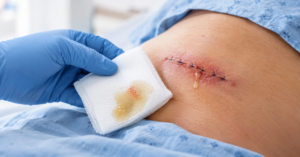
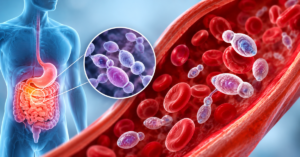
A bone and joint infection occurs when bacteria, fungi, or other microorganisms infect the bone (osteomyelitis) or a joint (septic arthritis). These infections may develop after an injury, surgery, or through the bloodstream from another infected area of the body.
Although anyone can develop a bone or joint infection, prompt medical care is essential to prevent permanent damage.
Common Causes
Several factors can increase the risk of bone and joint infections, including:
- Open fractures or injuries
- Recent bone or joint surgery
- Diabetes
- Weakened immune system
- Existing skin or soft tissue infections
- Artificial joint implants
- Bloodstream infections
Early diagnosis helps reduce the risk of infection spreading.
Symptoms of Bone and Joint Infection
Symptoms may vary depending on the affected area but commonly include:
- Severe bone or joint pain
- Swelling around the affected joint
- Redness and warmth
- Fever and chills
- Difficulty moving the joint
- Fatigue
- Pain while walking or bearing weight
Persistent symptoms should never be ignored, especially if accompanied by fever.
How Is It Diagnosed?
Your doctor may recommend several tests to confirm the diagnosis, including:
- Physical examination
- Blood tests
- X-rays
- MRI or CT scan
- Ultrasound (in selected cases)
- Joint fluid aspiration
- Bone biopsy, when necessary
A thorough evaluation helps determine the exact cause and severity of the infection.
Bone and Joint Infection Treatment
The goal of bone and joint infection treatment in Indore is to eliminate the infection, preserve joint function, and prevent long-term complications.
Treatment may include:
Antibiotic Therapy
Most bacterial infections are treated with antibiotics, which may be given orally or intravenously depending on the severity.
Drainage of Infection
If pus has collected inside a joint or surrounding tissue, drainage may be required to remove the infected material.
Surgical Treatment
In severe cases, surgery may be necessary to remove infected tissue, clean the affected area, or repair damaged bone and joints.
Rehabilitation
Physiotherapy may be recommended after treatment to restore movement, strength, and joint function.
Possible Complications
Without timely treatment, bone and joint infections may lead to:
- Chronic infection
- Bone destruction
- Joint stiffness
- Permanent loss of joint function
- Spread of infection to other organs
- Sepsis (serious bloodstream infection)
Early treatment greatly reduces these risks.
Prevention Tips
Simple precautions can lower your risk:
- Treat wounds promptly.
- Keep cuts clean and covered.
- Maintain good hygiene.
- Control diabetes effectively.
- Follow post-surgical care instructions.
- Seek treatment for skin infections early.
- Strengthen immunity through a healthy lifestyle.
When Should You See a Doctor?
Consult a doctor immediately if you experience:
- Persistent bone or joint pain
- Fever with joint swelling
- Difficulty walking
- Redness or warmth over a joint
- Pain following injury or surgery
- Symptoms that worsen despite medication
A general physician in Indore can perform an initial evaluation and guide you toward the most appropriate treatment.
Why Early Diagnosis Matters
Bone and joint infections often respond well when diagnosed early. Delaying treatment may increase the risk of permanent damage and prolonged recovery. Individuals with diabetes, recent surgeries, or weakened immunity should seek medical attention promptly if symptoms develop.
For many patients, consulting the best physician in Indore helps ensure timely diagnosis, coordinated care, and appropriate referral to orthopedic or infectious disease specialists when needed.
Bone and joint infections should never be ignored. Early diagnosis, appropriate antibiotics, and timely medical care can prevent serious complications and help preserve mobility. If you experience persistent bone pain, swelling, fever, or difficulty moving a joint, seeking bone and joint infection treatment in Indore can make a significant difference in recovery and long-term health.
Frequently Asked Questions (FAQs)
1. What causes bone and joint infections?
They are usually caused by bacteria entering the bone or joint through injuries, surgery, or the bloodstream.
2. Who should seek bone and joint infection treatment in Indore?
Anyone experiencing severe joint pain, swelling, fever, or difficulty moving a joint should seek prompt medical evaluation.
3. Can a general physician in Indore diagnose bone and joint infections?
Yes. A general physician can evaluate symptoms, order investigations, begin treatment when appropriate, and refer patients to specialists if needed.
4. Are bone and joint infections curable?
Yes. Most infections can be successfully treated with timely antibiotics, drainage procedures, or surgery when necessary.
5. Why should I consult the best physician in Indore for persistent bone or joint pain?
Persistent pain with swelling or fever may indicate a serious infection. Early evaluation helps prevent complications and ensures appropriate treatment.