
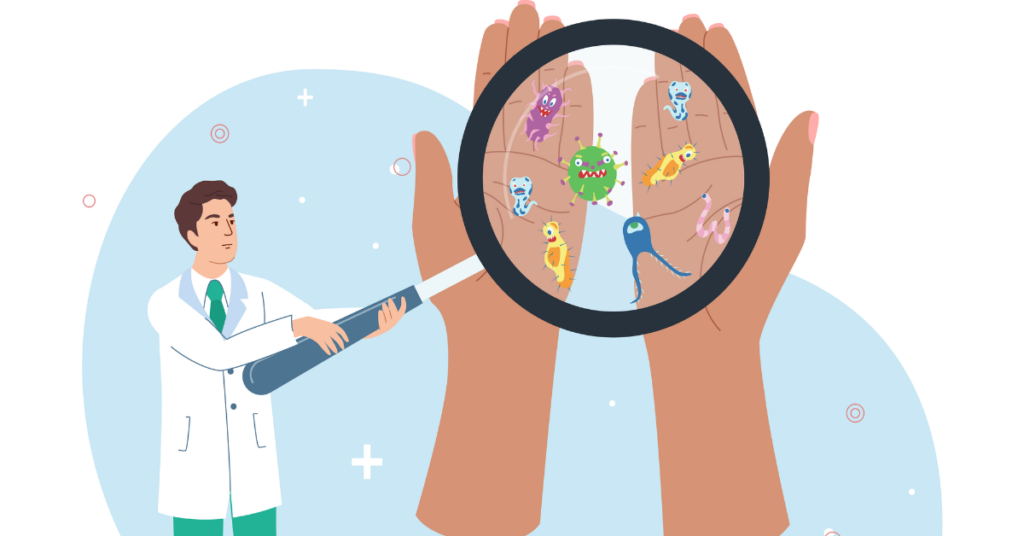
Fungal infections are common health conditions that can affect the skin, nails, mouth, scalp, and even internal organs in some cases. While many fungal infections are mild and easily treated, ignoring the symptoms can allow the infection to spread or become more difficult to manage. Seeking timely fungal infection treatment in Indore can help prevent complications and ensure faster recovery.
What Is a Fungal Infection?
A fungal infection occurs when harmful fungi grow excessively on or inside the body. Fungi thrive in warm, moist environments, making certain areas of the body more vulnerable to infection. Although anyone can develop a fungal infection, people with diabetes, weakened immunity, excessive sweating, or poor hygiene may have a higher risk.
Common Types of Fungal Infections
Some of the most common fungal infections include:
- Ringworm (Tinea)
- Athlete’s Foot
- Jock Itch
- Nail Fungal Infection
- Oral Thrush
- Vaginal Yeast Infection
- Scalp Fungal Infection
Each type has different symptoms and may require a different treatment approach.
Common Symptoms
The symptoms depend on the affected area but may include:
- Itching or burning sensation
- Red, scaly, or circular rashes
- Peeling or cracked skin
- White patches inside the mouth
- Thick, brittle, or discolored nails
- Persistent irritation that does not improve with home remedies
If symptoms continue for several days or keep returning, it is important to seek medical advice instead of relying solely on over-the-counter medications.
What Causes Fungal Infections?
Several factors increase the likelihood of developing a fungal infection, including:
- Hot and humid weather
- Excessive sweating
- Poor personal hygiene
- Tight or non-breathable clothing
- Sharing towels, footwear, or personal items
- Diabetes
- Weakened immune system
- Long-term antibiotic use
Understanding these risk factors can help reduce the chances of recurrent infections.
How Are Fungal Infections Diagnosed?
A doctor usually diagnoses a fungal infection through a physical examination. In some cases, skin scrapings, nail samples, or laboratory tests may be recommended to identify the specific fungus causing the infection.
Accurate diagnosis helps ensure that the right medication is prescribed, especially for infections that resemble eczema, psoriasis, or bacterial skin infections.
Fungal Infection Treatment
Treatment depends on the type and severity of the infection. Options may include:
- Antifungal creams or ointments
- Oral antifungal medications
- Medicated shampoos
- Antifungal powders
- Lifestyle and hygiene recommendations
Patients seeking fungal infection treatment in Indore should avoid self-medicating for prolonged periods, as incorrect treatment may worsen the infection or delay recovery.
Prevention Tips
Simple preventive measures can significantly reduce the risk of fungal infections:
- Keep your skin clean and dry.
- Change sweaty clothes promptly.
- Wear breathable cotton clothing.
- Avoid sharing towels, shoes, and personal items.
- Keep feet dry, especially after exercise.
- Maintain good blood sugar control if you have diabetes.
- Follow proper hygiene in public gyms and swimming pools.
When Should You See a Doctor?
Consult a doctor if:
- The infection spreads rapidly.
- Symptoms do not improve after treatment.
- The infection keeps returning.
- Nails become severely damaged.
- You have diabetes or a weakened immune system.
- You develop fever or severe pain along with the infection.
A best general physician in Indore can evaluate your symptoms, identify the underlying cause, and recommend the most appropriate treatment or refer you to a specialist if necessary.
Why Early Treatment Matters
Although many fungal infections are not life-threatening, delaying treatment can make them more difficult to eliminate. Some fungal infections may spread to other parts of the body or become recurrent if left untreated. Individuals with weakened immunity should be particularly cautious, as fungal infections may become more serious.
For patients requiring infectious disease treatment in Indore, timely evaluation is essential to identify whether the infection is limited to the skin or involves deeper tissues requiring specialized care.
Fungal infections are common but highly treatable when diagnosed early. Paying attention to persistent itching, rashes, nail changes, or recurring infections can help prevent complications. Maintaining good hygiene, adopting healthy habits, and seeking professional medical advice when symptoms persist are the best ways to protect your health. Whether you need fungal infection treatment in Indore, guidance from the best general physician in Indore, or specialized infectious disease treatment in Indore, early medical care can lead to better outcomes and a quicker recovery.
Frequently Asked Questions (FAQs)
1. When should I seek fungal infection treatment in Indore?
You should consult a doctor if the infection persists, spreads, recurs frequently, or does not improve with basic treatment.
2. Can a best general physician in Indore treat fungal infections?
Yes. A general physician can diagnose most fungal infections, prescribe appropriate medications, and refer you to a specialist if required.
3. Are fungal infections contagious?
Some fungal infections, such as ringworm and athlete’s foot, can spread through direct skin contact or shared personal items.
4. How can I prevent fungal infections?
Keeping your skin clean and dry, maintaining good hygiene, avoiding shared personal items, and wearing breathable clothing can reduce the risk.
5. When is infectious disease treatment in Indore necessary?
Specialized infectious disease treatment in Indore may be required for severe, recurrent, deep fungal infections or infections occurring in individuals with weakened immune systems.