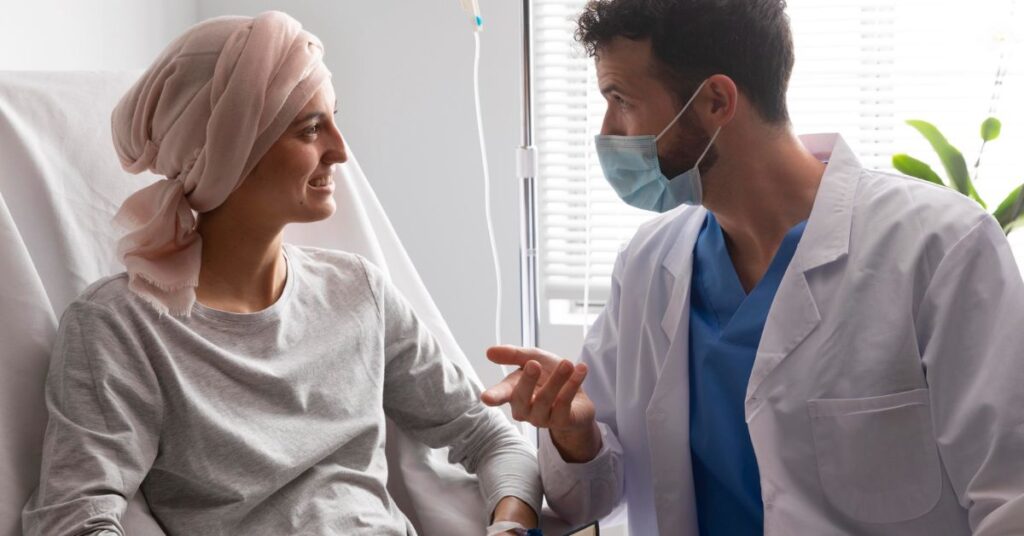
Cancer and its treatment can weaken the body’s immune system, making patients more vulnerable to infections. Even a minor infection can become serious if not identified and treated promptly. Seeking Infections in Cancer Patients Care in Indore ensures timely evaluation, appropriate treatment, and better protection against complications during cancer treatment.
A qualified general physician in Indore plays an important role in identifying early signs of infection, coordinating care, and ensuring patients receive timely medical attention.
Why Are Cancer Patients More Prone to Infections?
Cancer itself, as well as treatments such as chemotherapy, radiation therapy, and certain targeted therapies, can reduce the number of infection-fighting white blood cells. This weakens the immune system and increases the risk of bacterial, viral, and fungal infections.
Patients with blood cancers, advanced cancers, or long-term immunosuppressive therapy may have an even higher risk.
Common Types of Infections
Cancer patients may develop different types of infections, including:
- Bacterial infections
- Viral infections
- Fungal infections
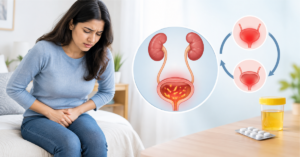
- Urinary tract infections
- Respiratory infections
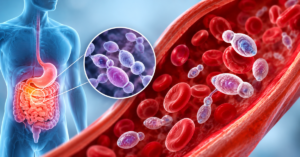
- Bloodstream infections
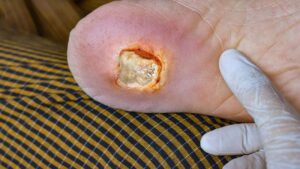
- Skin and soft tissue infections
Early diagnosis is essential to prevent these infections from becoming severe.
Symptoms That Should Never Be Ignored
Seek immediate medical attention if you experience:
- Fever above 100.4°F (38°C)
- Chills or excessive sweating
- Persistent cough
- Shortness of breath
- Burning sensation while urinating
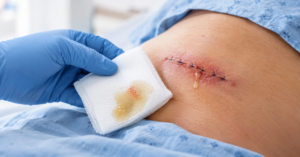
- Redness, swelling, or discharge from wounds
- Extreme weakness or fatigue
- Sore throat
- Persistent diarrhea or vomiting
In cancer patients, even a low-grade fever may require urgent medical evaluation.
How Are Infections Diagnosed?
Doctors may recommend several investigations depending on the symptoms:
- Physical examination
- Complete blood count (CBC)
- Blood cultures
- Urine examination
- Chest X-ray
- CT scan when indicated
- Swab or sputum cultures
- Other laboratory tests
Prompt diagnosis helps doctors begin appropriate treatment without delay.
Treatment for Infections in Cancer Patients
Treatment depends on the type and severity of the infection.
Management may include:
Antibiotics
Used to treat bacterial infections.
Antiviral Medications
Recommended for certain viral infections.
Antifungal Medicines
Used when fungal infections are suspected or confirmed.
Intravenous Fluids
Help maintain hydration and support recovery.
Hospital Admission
Patients with severe infections or low immunity may require hospitalization for close monitoring.
Receiving timely Infections in Cancer Patients Care in Indore can significantly reduce the risk of serious complications.
Tips to Reduce Infection Risk
Simple preventive measures include:
- Wash hands frequently.
- Avoid crowded places during periods of low immunity.
- Eat freshly prepared, hygienic food.
- Drink safe, clean water.
- Keep wounds clean and covered.
- Maintain good oral hygiene.
- Stay up to date with recommended vaccinations after consulting your doctor.
- Avoid close contact with people who are sick.
These precautions help lower the chances of infection during cancer treatment.
When Should You Consult a Doctor?
Immediate medical evaluation is necessary if:
- Fever develops during chemotherapy.
- Symptoms worsen rapidly.
- Breathing becomes difficult.
- There is persistent vomiting or diarrhea.
- A wound becomes swollen or infected.
- You experience unusual weakness or confusion.
A general physician in Indore can perform an initial assessment and coordinate care with oncologists and other specialists when required.
Why Early Medical Care Matters
Cancer patients often have reduced immunity, making infections more difficult to fight. Delaying treatment can increase the risk of hospitalization and serious complications. Early diagnosis, appropriate medications, and careful monitoring can greatly improve recovery and overall treatment outcomes.
Many families choose to consult the best physician indore for prompt medical guidance and coordinated care throughout the treatment journey.
Preventing and treating infections is an important part of cancer care. Paying attention to early warning signs, maintaining good hygiene, and seeking timely medical attention can help protect patients from serious complications. Whether you require Infections in Cancer Patients Care in Indore or guidance from a general physician in Indore, early intervention plays a key role in ensuring safe and effective cancer treatment.
Frequently Asked Questions (FAQs)
You should seek immediate medical care if a cancer patient develops fever, chills, breathing difficulty, or any signs of infection during treatment.
Yes. A general physician can evaluate symptoms, begin initial treatment, and coordinate care with oncologists and infectious disease specialists if required.
Cancer and its treatments can weaken the immune system, making it harder for the body to fight bacteria, viruses, and fungi.
The best physician indore can identify infections early, recommend appropriate investigations, and ensure timely treatment to reduce complications.
While not all infections can be prevented, maintaining good hygiene, avoiding exposure to illnesses, eating safe food, and following medical advice can significantly reduce the risk.