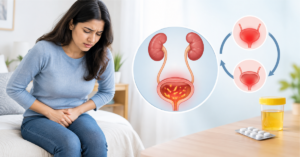

Fever is one of the most common reasons people visit a doctor. Many assume that once they start antibiotics, the fever should disappear within a few days. So, it can be frustrating and worrying when the fever returns after improving or continues despite completing the medication. The truth is that not every fever is caused by bacteria, and antibiotics are not the right treatment for every infection. If you are experiencing recurrent fever, consulting an Infectious Disease Specialist in Indore can help identify the underlying cause and guide the most appropriate treatment.
Why Can Fever Return Even After Taking Antibiotics?
A fever coming back after antibiotics does not necessarily mean the medicine failed. Antibiotics are designed to treat bacterial infections only. They do not work against viral illnesses such as influenza, dengue, or many common viral fevers.
In some cases, the infection may not have been bacterial in the first place. In others, the bacteria may be resistant to the prescribed antibiotic, or there could be another hidden medical condition causing the fever. This is why fever not responding to antibiotics should be properly evaluated instead of repeatedly changing medications without medical advice.
Common Reasons Your Fever Keeps Coming Back
Viral Infections
Many viral illnesses cause fever that may last for several days or return in phases. Since antibiotics do not kill viruses, they will not shorten the illness.
Incorrect Antibiotic Selection
Sometimes the prescribed antibiotic may not be effective against the specific bacteria causing the infection. A proper fever diagnosis helps doctors choose the most suitable treatment.
Antibiotic Resistance
One of the growing healthcare concerns is antibiotic resistance, where bacteria develop the ability to survive antibiotics that once worked effectively. This makes infections more difficult to treat.
Incomplete Antibiotic Course
Stopping antibiotics early because you feel better can allow some bacteria to survive, increasing the chance of the infection returning. Always complete the prescribed course unless your doctor advises otherwise.
Hidden Infections
Some infections remain unnoticed because they occur deep inside the body. These include:
- Tuberculosis
- Tropical infections
- Abscesses
- Urinary tract infections
- Bone and joint infections
These conditions often require specialized investigations and bacterial infection treatment tailored to the underlying cause.
Autoimmune And Non-Infectious Conditions
Not every recurrent fever is caused by an infection. Certain autoimmune diseases, inflammatory disorders, and even some cancers can also cause prolonged or recurring fever. Identifying these conditions requires careful medical evaluation.
Warning Signs That Need Medical Attention
You should seek medical evaluation if you experience:
- Fever lasting more than 3–5 days
- Fever that returns after initially improving
- High fever with chills
- Persistent cough
- Difficulty breathing
These symptoms may indicate a more serious illness that requires assessment by an Infectious Disease Specialist in Indore. Early diagnosis can help prevent complications and ensure appropriate treatment.
How An Infectious Disease Specialist Finds The Cause
Finding the reason behind recurrent fever involves more than simply prescribing another antibiotic. An infection specialist doctor carefully evaluates your symptoms and medical history before recommending treatment.
Your evaluation may include:
- Detailed medical history
- Physical examination
- Blood tests
- Urine tests
- Blood cultures
This systematic approach helps identify the exact cause of fever and supports effective recurrent fever treatment in Indore and unexplained fever treatment.
Why You Should Avoid Taking Antibiotics Without Medical Advice
Self-medicating with antibiotics may seem like a quick solution, but it can create bigger health problems.
Taking antibiotics without proper medical guidance can:
- Increase antibiotic resistance
- Delay the correct diagnosis
- Cause unnecessary side effects
- Mask the actual disease
- Lead to incorrect or incomplete treatment
Similarly, antibiotics should not be used for viral fever treatment, as they provide no benefit against viral infections. Instead, a proper medical evaluation helps determine whether antibiotics are needed at all.
Conclusion
A fever that keeps coming back should not be ignored, especially if it persists after taking antibiotics. The cause may range from viral illnesses and resistant bacterial infections to tuberculosis or other underlying medical conditions. Rather than taking repeated courses of antibiotics, seek a proper diagnosis to identify the real reason behind your symptoms. Consulting an Infectious Disease Specialist in Indore can help you receive an accurate evaluation and a personalized treatment plan based on your specific condition.
FAQs
A fever may return if the infection was viral, the bacteria were resistant to the antibiotic, the wrong antibiotic was prescribed, or another underlying condition is causing the fever. A medical evaluation is important to identify the exact cause.
Yes. Antibiotics only treat bacterial infections and are ineffective against viruses. They may also fail if the bacteria are resistant or if the infection requires a different antibiotic or additional treatment.
You should consult an Infectious Disease Specialist if your fever lasts longer than 3–5 days, returns after improving, keeps recurring, or is associated with symptoms such as weight loss, night sweats, breathing difficulty, or severe weakness.
Yes. Several viral infections can cause fever that comes and goes over several days. Since antibiotics do not work against viruses, supportive care and proper medical evaluation are often the most appropriate approach.
No. Starting another antibiotic without medical advice may delay the correct diagnosis, contribute to antibiotic resistance, and expose you to unnecessary side effects. It is best to consult a doctor for a proper assessment before taking additional medication.