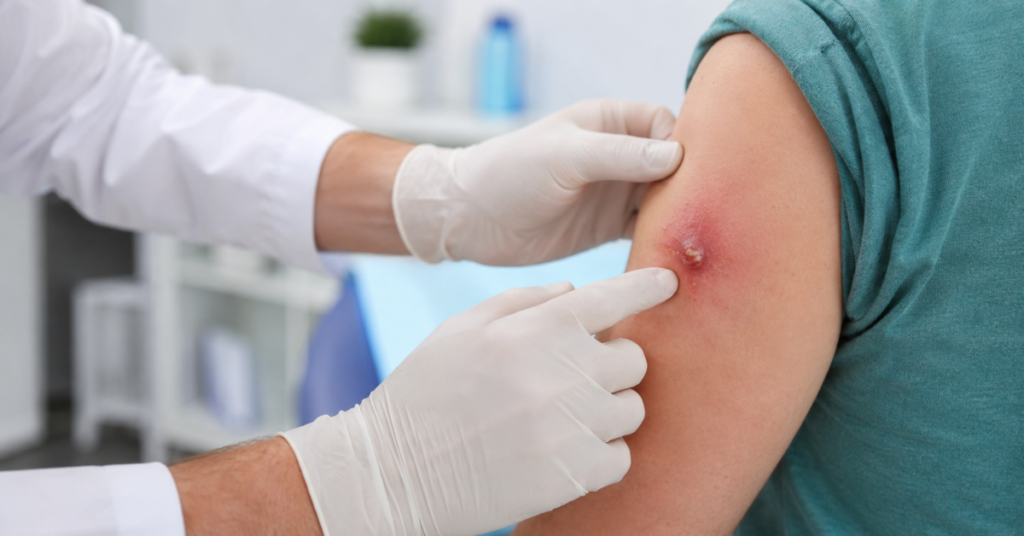
A skin abscess is a painful, pus-filled lump that forms when bacteria enter the skin through a small cut, insect bite, or blocked hair follicle. While some small boils may drain on their own, others can become larger, more painful, and lead to serious complications if left untreated. Knowing when to seek medical care can help prevent the infection from spreading and support faster healing.
What Is A Skin Abscess?
A skin abscess is a pocket of pus caused by a bacterial infection beneath the skin. It usually appears as a swollen, red, and tender lump that feels warm to the touch. As the infection grows, the lump may become softer in the centre due to the collection of pus. These infections can develop anywhere on the body but are common on the face, neck, underarms, buttocks, and thighs.
Common Causes Of A Skin Abscess
Most skin abscesses occur when bacteria enter through damaged skin. Poor hygiene, excessive sweating, ingrown hairs, shaving injuries, and weakened immunity can increase the risk. People with diabetes, chronic skin conditions, or a history of recurrent abscesses are also more likely to develop these infections.
Signs That Medical Treatment Is Needed
You should seek medical attention if the pus-filled lump becomes larger, causes severe pain, or does not improve within a few days. Other warning signs include increasing redness, swelling, drainage with a foul smell, fever, chills, or red streaks spreading from the affected area. Abscesses on the face, spine, or near sensitive areas should always be examined by a doctor.
Possible Complications If Left Untreated
Ignoring a skin infection can allow bacteria to spread into nearby tissues or the bloodstream. This may lead to cellulitis, deeper infections, or, in rare cases, a serious bloodstream infection. Repeated infections can also cause scarring and increase the chance of developing another abscess in the future.
How Doctors Diagnose And Treat A Skin Abscess
Doctors usually diagnose a skin abscess through a physical examination. In some cases, a sample of the pus may be tested to identify the bacteria causing the infection. Treatment often involves incision and drainage, where the pus is carefully removed. Antibiotics may be prescribed if the infection is severe, spreading, or associated with fever or certain medical conditions.
Tips To Reduce The Risk Of Future Skin Abscesses
Keep your skin clean, wash cuts promptly, avoid sharing personal items like towels or razors, and maintain good hand hygiene. Managing diabetes and other long-term health conditions can also lower the risk. If you experience recurrent abscesses, speak with a healthcare professional to identify any underlying causes.
Early evaluation is important because prompt treatment can prevent complications and reduce discomfort. If you notice worsening pain, persistent swelling, or repeated boils, consult a qualified specialist for appropriate care. Seeking expert Infections Treatment in Indore can help ensure an accurate diagnosis, timely treatment, and guidance to prevent future skin infections.
FAQs
Can a skin abscess heal without medical treatment?
Some small boils may drain naturally and heal with warm compresses and proper hygiene. However, if the swelling increases, pain becomes severe, or symptoms last for several days without improvement, a medical evaluation is recommended to prevent the infection from worsening.
Is it safe to squeeze or pop a skin abscess at home?
No. Squeezing an abscess can push bacteria deeper into the skin or spread the infection to surrounding tissues. It may also delay healing and increase the risk of complications. A healthcare professional can safely drain the abscess when necessary.
How long does it take to recover after treatment?
Recovery depends on the size and severity of the infection. Small abscesses may heal within one to two weeks after proper drainage, while larger infections can take longer. Following wound care instructions and completing prescribed medicines supports better healing.
Can skin abscesses come back?
Yes. Some people experience recurrent abscesses due to underlying conditions such as diabetes, weakened immunity, or certain skin disorders. Maintaining good hygiene, treating medical conditions, and seeking medical advice for repeated infections can help reduce the risk.
When should I seek emergency medical care for an abscess?
Seek urgent medical attention if you develop a high fever, severe swelling, difficulty moving the affected area, confusion, rapid spreading redness, or signs that the infection is affecting your overall health. Early treatment can help prevent serious complications.