
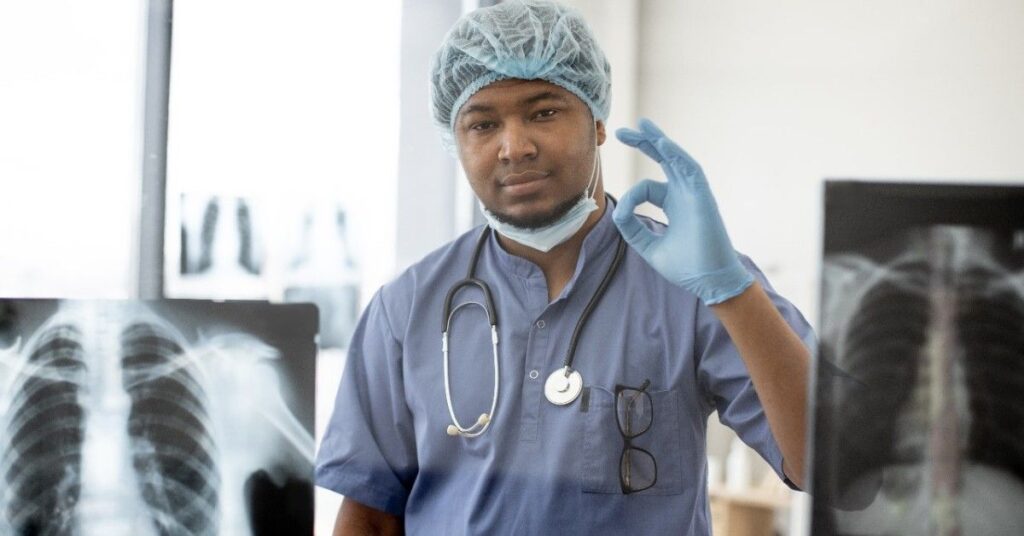
Tuberculosis (TB) is a serious infectious disease that can affect the lungs and other parts of the body. Early diagnosis is important because timely treatment can prevent complications and reduce the risk of spreading the infection to others. A Tuberculosis Specialist in Indore evaluates symptoms, medical history, physical findings, and diagnostic test results to confirm whether a person has tuberculosis.
TB can sometimes develop gradually. Therefore, people may ignore symptoms such as a persistent cough, tiredness, fever, or unexplained weight loss. However, early medical evaluation can make a significant difference. A specialist can recommend the right tests based on the patient’s symptoms and risk factors.
What Is Tuberculosis?
Tuberculosis is an infectious disease caused by Mycobacterium tuberculosis. It most commonly affects the lungs, which is known as pulmonary tuberculosis. However, TB can also affect other organs, including the lymph nodes, bones, kidneys, brain, and abdomen.
TB spreads mainly through the air when a person with infectious pulmonary TB coughs, sneezes, speaks, or sings. Not everyone infected with TB bacteria develops active tuberculosis. Some people may have latent TB infection without symptoms.
For this reason, proper diagnosis is essential before deciding on treatment.
When Should You See a Tuberculosis Specialist in Indore?
A persistent cough is one of the most common symptoms associated with pulmonary tuberculosis. However, TB may cause several other symptoms.
You should consider medical evaluation if you experience:
- Cough lasting for several weeks
- Fever, particularly recurring fever
- Night sweats
- Unexplained weight loss
- Loss of appetite
- Persistent weakness or tiredness
- Chest discomfort or pain
- Coughing up blood or blood-stained sputum
- Swollen lymph nodes
Having one of these symptoms does not necessarily mean that you have TB. Several other infections and medical conditions can cause similar symptoms.
Therefore, a Tuberculosis Specialist in Indore may recommend specific investigations to determine the underlying cause.
How Does a Tuberculosis Specialist in Indore Diagnose TB?
TB diagnosis usually involves more than one step. The specialist considers the patient’s symptoms, medical history, physical examination, and test results together.
1. Medical History and Symptom Assessment
The diagnostic process usually begins with a detailed consultation.
The doctor may ask about the duration and severity of symptoms. They may also ask about previous TB infection, treatment history, exposure to someone with TB, travel or living conditions, and other relevant health factors.
This information helps the doctor understand the possibility of tuberculosis and decide which tests are appropriate.
2. Physical Examination
Next, the doctor performs a physical examination.
For suspected pulmonary TB, the doctor may listen to the lungs and check for signs such as abnormal breathing sounds. Depending on the symptoms, the doctor may also examine lymph nodes or other areas of the body.
A physical examination alone cannot confirm TB. Instead, it helps guide further investigations.
3. Chest X-Ray for Pulmonary Tuberculosis
A chest X-ray is commonly used when pulmonary tuberculosis is suspected.
It can help identify changes in the lungs that may be associated with TB. These changes can include areas of abnormal opacity, cavities, or other patterns.
However, a chest X-ray cannot always confirm tuberculosis on its own. Some other lung conditions can produce similar findings.
Therefore, a Tuberculosis Specialist in Indore may combine chest imaging with sputum or molecular tests for a more accurate diagnosis.
4. Sputum Testing
When pulmonary TB is suspected, sputum testing can be an important part of diagnosis.
The patient may be asked to provide a sample of mucus coughed up from the lungs. The sample can then be tested for TB bacteria.
Different laboratory methods may be used. These include microscopic examination, molecular tests, and culture.
The doctor will determine which test or combination of tests is appropriate based on the patient’s condition.
5. Molecular Tests for TB
Molecular tests can detect genetic material from Mycobacterium tuberculosis. Some molecular tests can also identify resistance to important anti-TB medicines.
These tests can provide results more quickly than traditional culture methods in many situations.
Rapid molecular testing is particularly useful when there is a strong suspicion of TB or when drug resistance needs to be assessed.
6. TB Culture Test
A culture test involves growing TB bacteria from a clinical sample in a laboratory.
Culture can take longer than some molecular tests. However, it can provide valuable information and may help determine which medicines are likely to work against the bacteria.
The specialist may use culture results along with other investigations to develop an appropriate treatment plan.
How Is Latent TB Infection Diagnosed?
Not everyone exposed to TB bacteria develops active tuberculosis.
In people who may have latent TB infection, doctors can use tests such as:
- Tuberculin skin test (Mantoux test)
- Interferon-gamma release assays (IGRAs)
These tests indicate whether a person’s immune system has responded to TB bacteria. However, they do not by themselves distinguish active TB disease from latent infection.
If active TB is suspected, additional investigations are usually required.
How Is Tuberculosis Outside the Lungs Diagnosed?
TB can affect organs other than the lungs. This is called extrapulmonary tuberculosis.
Diagnosis depends on the affected body part. For example, if TB affects lymph nodes, the doctor may recommend imaging and a sample from the affected node. If TB affects another organ, additional imaging, biopsy, fluid analysis, or other specialized tests may be needed.
Therefore, diagnosis is personalized according to the patient’s symptoms and clinical findings.
Why Early TB Diagnosis Matters
Early diagnosis can help patients receive appropriate treatment sooner. It can also help reduce the possibility of transmission in cases of infectious pulmonary TB.
Untreated active TB can become more serious and may spread to other organs. In addition, incorrect or incomplete treatment can contribute to drug-resistant tuberculosis.
That is why patients should not self-medicate or stop TB medicines without medical advice.
What Happens After Tuberculosis Is Confirmed?
Once TB is confirmed, the doctor assesses the type of tuberculosis and determines the appropriate treatment approach.
Treatment commonly involves a combination of anti-tuberculosis medicines. The exact medicines and duration depend on factors such as the site of infection, drug susceptibility, previous treatment, and the patient’s overall health.
Regular follow-up is also important. It allows the doctor to monitor treatment response, side effects, and adherence.
Consult a Tuberculosis Specialist in Indore
If you have a persistent cough, unexplained weight loss, recurring fever, night sweats, or other symptoms that may suggest tuberculosis, timely medical evaluation is important.
A Tuberculosis Specialist in Indore can assess your symptoms and recommend suitable diagnostic tests, such as chest imaging, sputum examination, molecular testing, or other investigations when required.
At Infection Doctor Indore, Dr. Prerna Bedi Lakhotia provides specialist evaluation for infectious diseases and helps patients understand their diagnosis and treatment options.
Conclusion
Tuberculosis can be difficult to identify based on symptoms alone because many of its symptoms overlap with other respiratory and infectious conditions. A structured diagnostic approach helps doctors determine whether TB is present and whether it is affecting the lungs or another part of the body.
A Tuberculosis Specialist in Indore may use medical history, physical examination, chest X-ray, sputum testing, molecular tests, culture, and other investigations depending on the patient’s condition. Early evaluation is especially important when symptoms persist or there has been known exposure to TB.
If you are experiencing symptoms that concern you, consult a qualified specialist rather than delaying evaluation or taking medicines without medical guidance.
For More Information, Visit Now: https://share.google/pVPzphm40R2ox810o