Night sweats can be uncomfortable and sometimes worrying, especially when they happen repeatedly. While sleeping in a warm room or using heavy blankets can make you sweat, true night sweats are different. They often soak your clothes or bedding and may occur even in a cool environment. In some cases, they can be linked to an underlying infection or another medical condition that needs attention.
What Are Night Sweats?
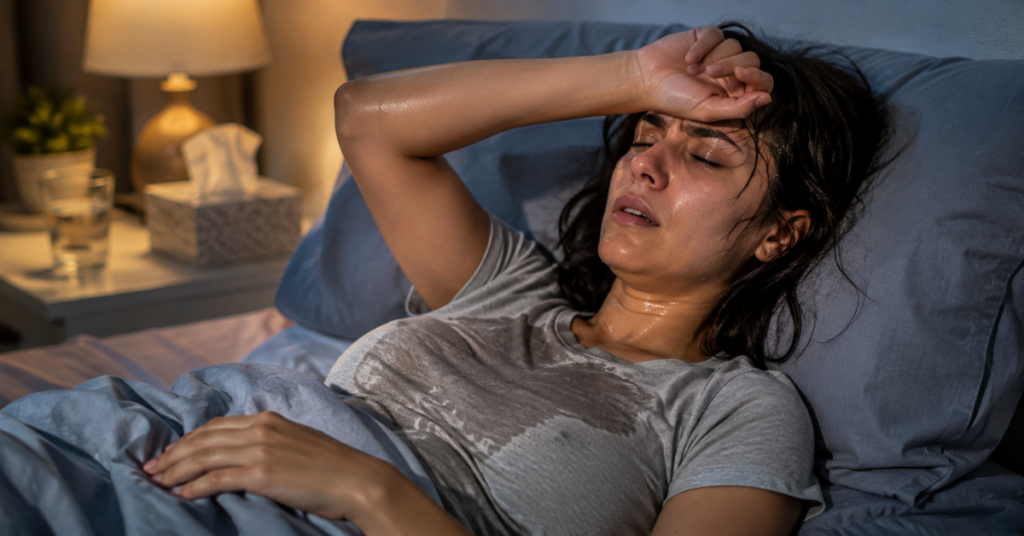
Night sweats are episodes of excessive sweating during sleep that are not caused by a hot room or thick bedding. Unlike feeling slightly warm at night, true night sweats are intense enough to leave your clothes or bed sheets damp. They may happen occasionally or continue over several nights. If they occur frequently, it is important to look for other symptoms that may point to an underlying health problem.
Can Infections Cause Night Sweats?
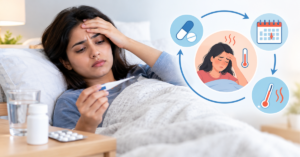
Yes. Infections can trigger night sweats because your body’s immune system releases chemicals to fight germs. These immune responses may affect your body’s temperature control, causing sweating as your temperature rises and falls. Fever and night sweats often occur together, although some infections can cause sweating even without a noticeable fever. The pattern and severity depend on the type of infection and your overall health.
Which Infections Commonly Cause Night Sweats?
Several infectious diseases are known to cause night sweats. Tuberculosis (TB) is one of the most recognized causes, often accompanied by a persistent cough, fever, weight loss, and tiredness. HIV can also lead to night sweats, particularly during certain stages of infection. Endocarditis, an infection of the heart’s inner lining, may cause prolonged fever, fatigue, and sweating at night.
Viral infections such as influenza and COVID-19 can also result in temporary night sweats while the body recovers. Malaria is another infection that commonly causes repeated fever cycles with heavy sweating. In addition, some bacterial infections and fungal infections may produce similar symptoms, especially if the infection becomes widespread or long-lasting.
Other Possible Causes Of Night Sweats
Although infections are important, causes of night sweats are not limited to germs. Menopause is a common reason in women. Certain medications, including some antidepressants, may also increase sweating. Hormonal disorders such as an overactive thyroid, certain cancers like lymphoma, and anxiety or panic attacks can also contribute to excessive sweating during sleep. A proper medical diagnosis helps identify the exact cause.
When Should You See A Doctor?
Do not ignore persistent symptoms if night sweats continue for several days or keep returning. Seek medical care if they are accompanied by fever, unexplained weight loss, a persistent cough, severe fatigue, swollen lymph nodes, or difficulty recovering from an illness. A health check-up may include a physical examination, blood tests, imaging, or other investigations to determine the underlying cause and guide treatment.
If your medical evaluation shows that an infection is responsible for your symptoms, early treatment can prevent complications and support faster recovery. Persistent night sweats should never be ignored, especially when they occur with other warning signs. If needed, seek Infectious Disease Treatment in Indore for an accurate diagnosis, appropriate treatment, and personalized care.
FAQs
Are night sweats always caused by an infection?
No. Night sweats can occur due to infections, but they may also result from menopause, certain medications, hormonal disorders, anxiety, or some cancers. If the sweating is frequent or associated with other symptoms, a medical assessment is recommended to identify the underlying cause.
Which infections most commonly cause night sweats?
Tuberculosis, HIV, endocarditis, influenza, COVID-19, malaria, and some bacterial or fungal infections are among the most common infections linked to night sweats. The presence of additional symptoms such as fever, cough, or weight loss helps doctors determine the possible cause.
Should I worry about night sweats without fever?
Night sweats without fever are not always serious, but they should not be ignored if they happen repeatedly or are associated with fatigue, weight loss, or other unusual symptoms. A healthcare professional can determine whether further testing is necessary.
When should I consult a doctor for night sweats?
You should consult a doctor if your night sweats continue for more than a few days, soak your bedding regularly, or occur with fever, persistent cough, weight loss, swollen lymph nodes, or ongoing fatigue. Early evaluation helps identify and treat the underlying condition promptly.
Can stress or anxiety cause night sweats?
Yes. Stress and anxiety can activate the body’s nervous system, leading to increased sweating during sleep. However, because night sweats may also indicate an underlying medical condition, persistent or severe episodes should be evaluated by a healthcare professional.