
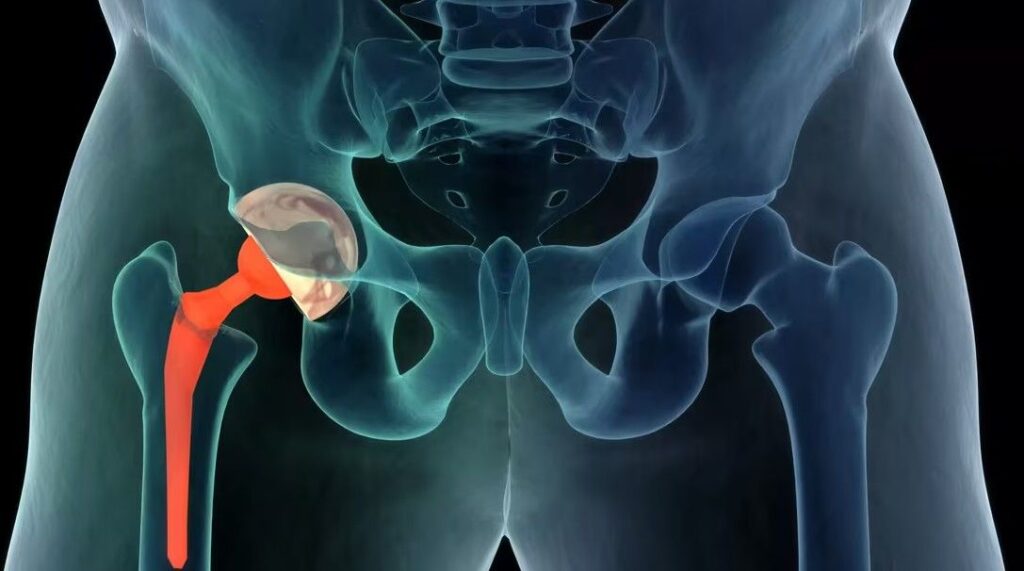
Joint replacement surgery can significantly improve mobility and quality of life. However, an infection around an artificial joint can become a serious complication if it is not identified and treated properly. If you have persistent pain, swelling, wound discharge, fever, or reduced movement after joint replacement, consulting a Prosthetic Joint Infection Specialist in Indore can help determine whether an infection is present and what treatment may be needed.
A prosthetic joint infection (PJI) can affect artificial knee, hip, shoulder, or other joint implants. Some infections appear soon after surgery, while others may develop months or even years later. Early medical evaluation is important because the symptoms of infection can sometimes resemble normal post-surgical discomfort.
What Is a Prosthetic Joint Infection?
A prosthetic joint infection occurs when microorganisms infect the tissues surrounding an artificial joint. The infection may develop shortly after surgery or later through bacteria reaching the joint from another part of the body.
A prosthetic joint infection can cause inflammation and damage around the implant. In some cases, bacteria can form a biofilm on the prosthetic material, making the infection more difficult to eliminate.
Treatment often requires coordinated care between an infectious disease specialist and an orthopaedic surgeon. Depending on the infection, treatment may involve antibiotics, drainage, surgical cleaning, implant retention, or revision surgery.
When Should You Consult a Prosthetic Joint Infection Specialist in Indore?
You should consider specialist evaluation if you notice unusual or persistent symptoms after joint replacement. Do not assume that ongoing pain or swelling is simply part of recovery.
1. Persistent or Increasing Joint Pain
Pain that continues, returns after a period of improvement, or gradually becomes worse deserves medical attention.
A painful prosthetic joint does not always mean infection. Mechanical problems, inflammation, loosening, and other conditions can also cause pain. However, infection should be considered, especially when pain is accompanied by other symptoms. IDSA guidance recommends evaluating acute painful prostheses and chronic painful prostheses when infection is clinically suspected.
2. Redness, Swelling, or Warmth Around the Joint
Redness, swelling, tenderness, or increased warmth around the surgical area can indicate inflammation or infection.
These symptoms may be more concerning when they persist or worsen instead of improving. A Prosthetic Joint Infection Specialist in Indore can assess your symptoms and recommend appropriate investigations.
3. Discharge From the Surgical Wound
Persistent wound drainage should never be ignored.
Fluid, pus, or continued discharge from the area around a prosthetic joint can be a warning sign of infection. A sinus tract communicating with the prosthesis is considered definitive evidence of prosthetic joint infection in IDSA guidelines.
If you notice discharge, contact your doctor promptly rather than applying medicines or antibiotics on your own.
4. Fever or Chills
Fever, chills, weakness, or feeling generally unwell may occur with infection. These symptoms are especially important when they occur along with joint pain, swelling, wound problems, or sudden worsening of mobility.
A specialist may assess whether the infection is limited to the joint or whether there are signs of a more widespread infection. Blood cultures may be recommended in selected patients, particularly when fever or acute symptoms are present.
5. Difficulty Moving the Joint
A noticeable reduction in movement can be another reason to seek specialist advice.
If you were recovering well but suddenly experience stiffness, pain, difficulty walking, or difficulty using the affected limb, an underlying infection or another prosthesis-related problem may need to be ruled out.
Who Is at Higher Risk of Prosthetic Joint Infection?
Infection can occur in anyone with a joint replacement, but certain medical and surgical factors may increase concern. A history of previous infection around the joint, wound-healing problems, previous surgeries, or other infections can be important when evaluating a painful prosthesis.
People with conditions that affect immunity or healing may also need closer medical monitoring. This is why your complete medical history is important when you visit a Prosthetic Joint Infection Specialist in Indore.
How Is Prosthetic Joint Infection Diagnosed?
Diagnosis usually begins with a detailed medical history and physical examination. Your doctor may ask when the joint replacement was performed, when symptoms began, whether you had wound-healing problems, and whether you have previously taken antibiotics.
Depending on your symptoms, investigations may include:
- Blood tests such as C-reactive protein (CRP) and erythrocyte sedimentation rate (ESR)
- X-ray of the affected joint
- Joint aspiration and synovial fluid analysis
- Microbiological cultures
- Blood cultures in selected cases
- Examination of tissue samples during surgery when required
IDSA guidance recommends CRP or ESR testing when the diagnosis is not clinically obvious and supports joint aspiration in appropriate patients with suspected infection.
Not every patient needs every test. Your doctor will select investigations according to your symptoms, medical history, examination findings, and previous treatment.
Why Early Consultation Matters
A prosthetic joint infection can become more difficult to manage when diagnosis and treatment are delayed. Early evaluation allows the medical team to understand the infection and determine whether the implant can potentially be retained or whether another surgical approach is required.
Treatment can vary significantly from patient to patient. Some patients may require targeted antimicrobial therapy along with a procedure, while others may need more extensive surgical management. The choice depends on factors such as the organism involved, duration of infection, condition of the implant, surrounding tissues, and overall health.
This is why taking antibiotics without proper testing is not a good approach. Identifying the responsible organism and selecting an appropriate treatment plan are important parts of managing prosthetic joint infection.
How a Prosthetic Joint Infection Specialist Can Help
An infectious disease specialist focuses on identifying the cause of infection, interpreting microbiology results, selecting appropriate antimicrobial treatment, and monitoring the patient’s response.
A Prosthetic Joint Infection Specialist in Indore can also work alongside an orthopaedic surgeon when surgical intervention is needed. This multidisciplinary approach can be valuable because prosthetic joint infections often require both medical and surgical decision-making.
Dr. Prerna Bedi Lakhotia provides infectious disease care in Indore, including evaluation and management of complex infections and post-surgery or implant-related infections. Her clinic lists post-surgery and implant infection care among its services.
What Should You Do If You Suspect an Infection?
If you have a joint replacement and develop persistent pain, swelling, redness, wound discharge, fever, chills, or reduced joint movement, arrange a medical evaluation.
Do not ignore symptoms simply because the surgery happened months or years ago. A prosthetic joint infection can occur after a significant period, and chronic pain around an artificial joint may warrant investigation when there is clinical suspicion of infection.
Also, avoid starting, stopping, or changing antibiotics without medical advice. Previous antibiotic use can affect culture results and may make identifying the responsible microorganism more difficult in some situations.
Conclusion
Knowing when to consult a Prosthetic Joint Infection Specialist in Indore can make an important difference when symptoms develop after joint replacement. Persistent pain, increasing swelling, redness, wound discharge, fever, chills, or reduced joint movement should be evaluated rather than ignored.
Early assessment can help distinguish infection from other causes of prosthetic joint pain and guide appropriate testing and treatment. If you are experiencing possible symptoms of a prosthetic joint infection, consult Dr. Prerna Bedi Lakhotia for an expert evaluation and personalized infection management plan in Indore.
For More Information, Visit Now: https://share.google/pVPzphm40R2ox810o