
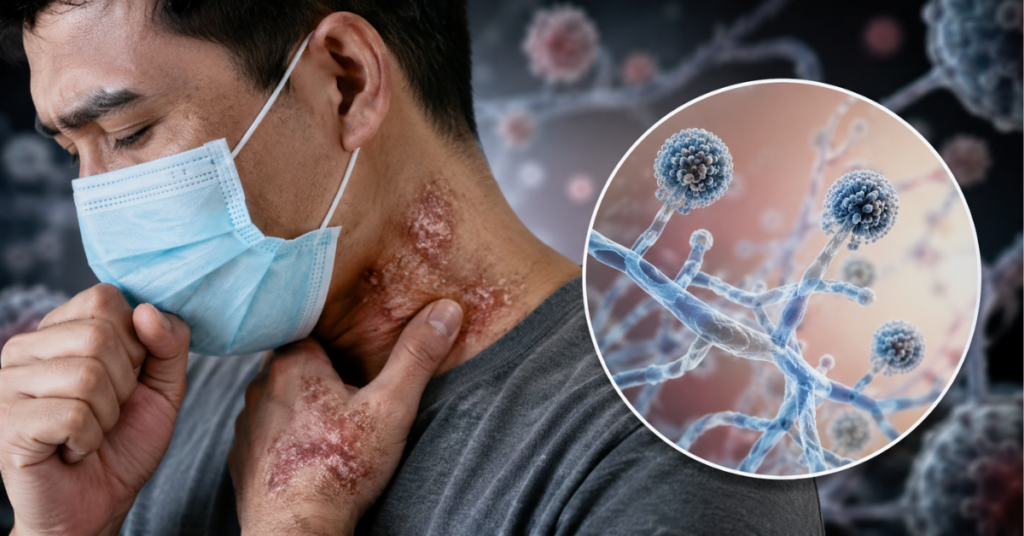
Fungal infections are caused by fungi that can affect the skin, mouth, lungs, or other parts of the body. Many are mild and treatable, but some can become serious, especially when they affect deeper tissues or spread through the body. High-risk patients should pay close attention to new or worsening symptoms because early medical assessment can help identify complications sooner.
Who Is At Higher Risk Of Serious Fungal Infections?
The risk may be higher in people with a weakened immune system, certain chronic illnesses, or conditions that reduce the body’s ability to fight infection. Higher-risk groups can include people receiving cancer treatment, those who have had an organ or stem-cell transplant, and patients who have spent a long time in hospital.
Risk can also increase after major surgery or with prolonged use of medicines that suppress the immune system. However, having a risk factor does not mean a person will develop a serious fungal infection.
Warning Signs Of A Serious Fungal Infection
Symptoms depend on the type of fungus and the part of the body involved. Warning signs may include:
- Persistent or worsening fever or chills
- Severe weakness or unusual fatigue
- Breathing difficulty or a persistent cough
- Chest pain, particularly with breathing or coughing
- Confusion or changes in alertness
- Severe or persistent headache
- New or rapidly spreading skin lesions or unusual skin changes
- Symptoms that continue or become worse despite treatment
These symptoms can have many causes, so they do not automatically mean someone has a serious fungal infection. In high-risk patients, however, unexplained or worsening symptoms should be discussed with a healthcare professional promptly.
When Should You Seek Medical Care?
Seek medical attention promptly if symptoms are persistent, worsening, or unusual for you. Breathing difficulty, confusion, severe weakness, chest pain, or rapidly worsening symptoms may require urgent assessment.
People with weakened immunity should not wait for symptoms to become severe before contacting their healthcare team. Avoid starting prescription antifungal medicines without professional advice because the correct medicine depends on the type and location of infection.
How Are Serious Fungal Infections Evaluated?
A healthcare professional may review symptoms, medical history, recent hospital stays, medicines, and immune status. Depending on the suspected infection, evaluation may include blood tests, imaging, cultures, or other laboratory tests. Treatment is selected based on the suspected or confirmed fungus, infection site, and the person’s overall health. Prompt medical evaluation is important because serious infections may need targeted fungal infection treatment and close monitoring.
FAQs
What makes a fungal infection serious?
A fungal infection may be serious when it affects deeper tissues, spreads to other organs, or occurs in someone with a weakened immune system.
Who is most at risk?
People with weakened immunity, cancer or cancer treatment, transplants, prolonged hospitalization, major surgery, or immune-suppressing medicines may have higher risk.
Can a fungal infection spread to other parts of the body?
Yes. Certain invasive fungal infections can spread beyond their original site, particularly in people with significant immune suppression.
When should someone seek urgent medical care?
Urgent assessment may be needed for breathing difficulty, chest pain, confusion, severe weakness, or rapidly worsening symptoms.
How are serious fungal infections diagnosed?
Diagnosis depends on the suspected infection and may involve a medical examination, blood tests, imaging, cultures, or other laboratory testing.