
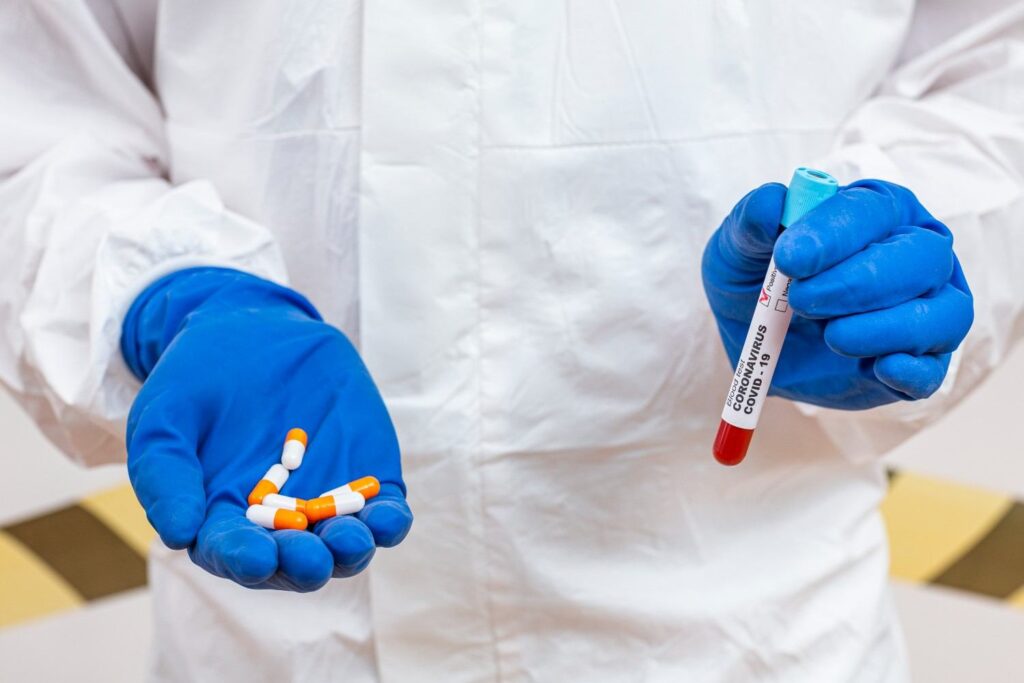
Drug-resistant infections occur when bacteria, viruses, fungi, or parasites no longer respond properly to medicines that are normally used to treat them. This can make an infection harder to control and may increase the risk of complications. If symptoms continue despite appropriate treatment, consulting a Drug Resistant Infection Specialist in Indore can help identify the cause and guide further evaluation.
Antimicrobial resistance can affect different types of infections. Antibiotic resistance is one of the most common concerns, but resistance can also involve antiviral, antifungal, and antiparasitic medicines. Importantly, drug resistance does not always create a unique set of symptoms. The symptoms often depend on the infection and the organ involved.
Recognising warning signs early can help patients receive timely medical attention.
Common Symptoms of Drug-Resistant Infections
1. Symptoms That Do Not Improve With Treatment
One of the most important warning signs is an infection that does not improve as expected after treatment.
For example, a patient may continue to experience fever, pain, cough, swelling, discharge, or other infection-related symptoms despite taking prescribed medicines. Persistent symptoms do not automatically mean that an infection is drug-resistant. However, they may require reassessment.
A Drug Resistant Infection Specialist in Indore can review the patient’s symptoms, previous treatment, medical history, and test results to determine whether resistance could be involved.
2. Persistent or Recurrent Fever
Fever is a common response to infection. When an infection continues, fever may persist or return after initially improving.
A prolonged or recurring fever can have many possible causes. It may be linked to an untreated infection, an incorrect diagnosis, an inflammatory condition, or an infection that is not responding to the selected medicine.
Patients with unexplained or persistent fever should avoid changing antibiotics on their own. Medical evaluation is important to identify the underlying cause.
3. Increasing Pain, Swelling, or Redness
Drug-resistant bacterial infections can sometimes cause worsening local symptoms.
Depending on the site of infection, these may include:
- Increasing pain
- Redness or warmth
- Swelling
- Pus or other discharge
- Tenderness around the affected area
- Delayed healing of wounds
For example, some resistant skin infections can cause painful, red, swollen areas that may contain pus. MRSA is one example of a resistant bacterial infection that can cause these signs.
4. Persistent Cough or Breathing Problems
Respiratory infections can sometimes become difficult to manage when the causative organism is resistant to commonly used medicines.
Symptoms may include:
- Persistent cough
- Fever
- Chest discomfort
- Shortness of breath
- Increased fatigue
- Difficulty breathing in more serious cases
A cough that continues despite treatment should not automatically be assumed to be drug resistance. A doctor may need to determine whether the infection is bacterial, viral, fungal, or caused by another condition.
5. Wounds That Heal Slowly
An infected wound should generally be monitored carefully. Increasing redness, swelling, warmth, pain, pus, or delayed healing may indicate that the infection requires further assessment.
Drug-resistant infections can be more challenging to treat because fewer medicines may be effective. This is why wound infections that do not respond as expected should be medically reviewed rather than treated repeatedly with leftover antibiotics.
6. Repeated Infections
Some patients experience infections repeatedly over a period of time. Recurrent infections do not necessarily mean antimicrobial resistance.
However, repeated treatment failures may prompt a doctor to investigate the organism causing the infection and determine which medicines are likely to work.
A Drug Resistant Infection Specialist in Indore may recommend appropriate laboratory testing when resistance is suspected.
Why Drug-Resistant Infections Can Be Difficult to Treat
Antimicrobial resistance occurs when microorganisms change in ways that make medicines less effective against them. As a result, infections can persist and become more difficult to treat. WHO notes that antimicrobial resistance can increase the risk of prolonged illness, severe disease, disability, and death.
Resistance can develop naturally, but inappropriate or unnecessary antimicrobial use can accelerate the process. Using antibiotics for infections they cannot treat, taking medicines without proper medical advice, or using the wrong medicine can contribute to resistance.
Therefore, patients should not assume that a stronger antibiotic is always the solution.
How Are Drug-Resistant Infections Diagnosed?
Symptoms alone cannot confirm drug resistance.
A doctor may consider several factors, including:
- The type and duration of symptoms
- Previous infections
- Recent antimicrobial use
- Previous treatment response
- Hospitalisation or healthcare exposure
- Underlying health conditions
- Laboratory test results
Depending on the suspected infection, a sample may be collected for laboratory testing. Tests such as culture and antimicrobial susceptibility testing can help identify the organism and determine which medicines may be effective.
This targeted approach can help doctors avoid unnecessary antimicrobial use and select treatment more appropriately.
When Should You See a Drug Resistant Infection Specialist in Indore?
You should consider medical evaluation when infection symptoms are persistent, worsening, or repeatedly returning.
It is particularly important to seek prompt medical care if you experience:
- Persistent high fever
- Severe or worsening pain
- Rapidly spreading redness or swelling
- Pus or significant wound discharge
- Breathing difficulty
- Confusion or unusual drowsiness
- Signs of severe weakness
- Symptoms that worsen despite prescribed treatment
A Drug Resistant Infection Specialist in Indore can assess whether the symptoms are due to resistance or another underlying problem.
Urgent medical attention is especially important when symptoms suggest a severe infection or sepsis.
How Can Drug Resistance Be Prevented?
Preventing antimicrobial resistance requires responsible use of medicines and good infection-control practices.
Patients can help by following these basic measures:
- Take antimicrobials only when prescribed.
- Follow the prescribed dose and schedule.
- Do not use leftover antibiotics.
- Do not share medicines with others.
- Do not stop or change treatment without discussing it with your doctor.
- Maintain good hand hygiene.
- Keep wounds clean and properly covered.
- Follow recommended vaccination schedules.
Responsible antimicrobial use is important because every unnecessary or inappropriate exposure can contribute to the development and spread of resistance.
Why Specialist Evaluation Matters
Drug-resistant infections require careful assessment because the correct treatment depends on the organism, infection site, severity, previous medicine exposure, and laboratory findings.
A Drug Resistant Infection Specialist in Indore can help assess persistent infections, review previous treatment, recommend appropriate investigations, and develop a treatment approach based on the clinical situation.
The goal is not simply to use a stronger medicine. The goal is to identify the infection accurately and use an effective treatment while avoiding unnecessary antimicrobial exposure.
Conclusion
Drug-resistant infections can be difficult to recognise because their symptoms may look similar to those of ordinary infections. Persistent fever, worsening pain or swelling, recurring infections, slow-healing wounds, continued cough, and symptoms that fail to improve with appropriate treatment can all be reasons to seek medical evaluation.
If an infection is not improving as expected, do not self-medicate or switch antibiotics without professional advice. Timely diagnosis and appropriate testing can help determine whether drug resistance is present and which treatment options may be suitable.
If you are experiencing persistent or recurrent infection symptoms, consulting a Drug Resistant Infection Specialist in Indore can provide a more focused evaluation and help ensure that treatment is guided by the underlying cause rather than guesswork.
For More Information, Visit Now: https://share.google/pVPzphm40R2ox810o