
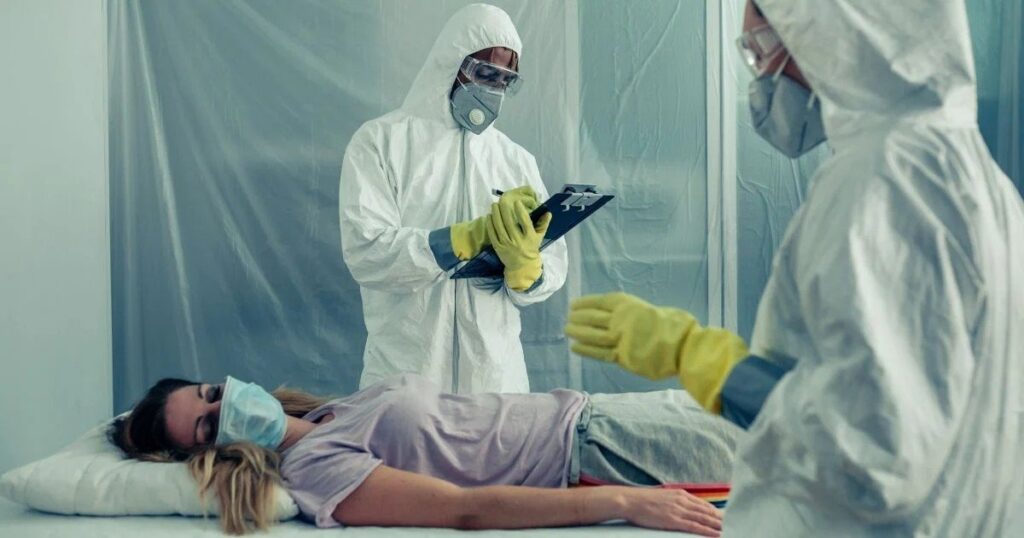
When you have fever, cough, weakness, sore throat, stomach problems, or other signs of illness, it can be difficult to know whether the cause is bacterial or viral. An Infection Doctor in Indore uses your symptoms, medical history, physical examination, and appropriate diagnostic tests to identify the likely cause of an infection. Accurate diagnosis is important because bacterial and viral infections may require very different treatment approaches.
Instead of relying only on symptoms, an infection specialist looks at the complete clinical picture. Depending on the suspected infection, the doctor may recommend blood tests, urine tests, cultures, antigen tests, PCR-based testing, or imaging. The goal is to identify the infection accurately and choose treatment based on the patient’s individual condition.
What Is the Difference Between Bacterial and Viral Infections?
Bacteria and viruses are different types of microorganisms. Bacterial infections are caused by bacteria, while viral infections are caused by viruses.
Both can produce similar symptoms. For example, fever, tiredness, headache, cough, and body aches may occur with several types of infections. Therefore, symptoms alone cannot always confirm whether an infection is bacterial or viral.
An Infection Doctor in Indore considers the duration and severity of symptoms, possible exposure, medical history, age, existing health conditions, and examination findings before deciding whether further testing is needed.
This approach helps prevent unnecessary treatment and provides a more targeted diagnosis.
Step 1: Reviewing Your Medical History
The diagnostic process usually starts with a detailed discussion.
Your doctor may ask:
- When did the symptoms begin?
- Have they become better or worse?
- Have you recently travelled?
- Have you been around someone with an infection?
- Have you taken antibiotics or other medicines?
- Do you have any previous medical conditions?
- Have you experienced similar infections before?
Your exposure history can be especially useful. For certain infections, information about travel, food, water, animals, workplace exposure, or contact with an infected person can help narrow down possible causes.
Medical history is also important because some conditions can increase the risk of serious infections.
Step 2: Physical Examination
After discussing your symptoms, the Infection Doctor in Indore performs a physical examination.
The examination depends on the symptoms. For example, if you have a respiratory illness, the doctor may examine your throat and listen to your lungs. If you have abdominal symptoms, the abdomen may be examined for tenderness or other signs.
The doctor may also check your temperature, heart rate, blood pressure, oxygen saturation, and other vital signs.
These findings help determine how serious the illness may be and whether laboratory testing or imaging is necessary.
Step 3: Blood Tests for Infection
Blood tests are commonly used when an infection is suspected.
A complete blood count (CBC), for example, can provide information about different blood cells and may support the overall clinical assessment. Other blood tests may be recommended depending on the suspected infection.
Blood cultures are particularly important when a bloodstream infection is suspected. They can help identify bacteria or other microorganisms present in the blood and may assist doctors in selecting appropriate antimicrobial treatment.
However, no single blood test can diagnose every infection. The right test depends on the symptoms, suspected infection, and clinical situation.
Step 4: Bacterial Culture Testing
Culture is an important method for identifying many bacterial infections.
Depending on the suspected infection, a sample may be collected from blood, urine, sputum, a wound, throat, or another relevant site. The sample is sent to a laboratory where microorganisms can be grown and identified.
Culture can also help with antimicrobial susceptibility testing. This information can show which medicines are more likely to work against a particular bacterial organism.
For this reason, culture remains an important diagnostic tool for several bacterial infections.
Step 5: PCR and Molecular Testing
Modern diagnostic methods have made it possible to identify many infections more rapidly.
PCR and other nucleic acid amplification tests detect genetic material from microorganisms. They can be used for several bacterial and viral infections.
For example, molecular tests such as RT-PCR can detect viral genetic material in respiratory samples. Some multiplex tests can detect multiple respiratory viruses from a single specimen.
An Infection Doctor in Indore may recommend PCR when a specific pathogen needs to be identified quickly or when conventional testing may not provide enough information.
However, PCR results must always be interpreted alongside symptoms and clinical findings. Detecting genetic material does not always mean that an organism is actively causing the patient’s symptoms.
Step 6: Antigen and Antibody Tests
Some infections can be investigated using antigen or antibody testing.
Antigen tests look for specific proteins from an infectious organism. They can be useful when a rapid result is needed for certain infections.
Antibody tests, also called serology, look at the body’s immune response to an infection. They can sometimes help determine whether a person has been exposed to a particular microorganism.
However, antibody testing is not appropriate for diagnosing every current infection. The timing of the test and the suspected disease are important factors.
Therefore, your doctor chooses testing based on the clinical situation rather than ordering every available test.
Step 7: Urine, Sputum, Swab, or Other Samples
The most useful sample depends on where the infection is suspected.
For example:
- A urine sample may be used when a urinary infection is suspected.
- A throat or nasal swab may be collected for respiratory infections.
- Sputum may be tested when certain lung infections are suspected.
- Stool testing may be considered for some gastrointestinal infections.
- Wound samples may be collected for selected skin and soft-tissue infections.
Collecting the correct sample is important because the quality and timing of a specimen can influence test results.
Step 8: Imaging When Needed
Laboratory tests are not always enough.
If a doctor suspects an infection involving the lungs, abdomen, bones, joints, or deeper tissues, imaging may be recommended. Depending on the condition, this may include an X-ray, ultrasound, CT scan, or MRI.
For example, chest imaging can support the evaluation of suspected lung infections. In some diseases, such as tuberculosis, diagnosis may involve medical history, physical examination, chest imaging, and laboratory testing together.
Why Accurate Diagnosis Matters
Knowing whether an infection is bacterial, viral, or caused by another microorganism helps doctors make better treatment decisions.
Antibiotics work against certain bacterial infections. They do not treat viral infections. Therefore, taking antibiotics without a proper indication may not provide benefit and can contribute to antibiotic resistance.
A careful diagnostic approach also helps doctors identify patients who may need urgent treatment, additional investigations, hospital care, or specialist monitoring.
When Should You Consult an Infection Doctor in Indore?
You should consider medical evaluation if an infection is persistent, recurrent, unusually severe, or difficult to diagnose.
An Infection Doctor in Indore may be particularly helpful when:
- Fever continues or repeatedly returns.
- An infection is not improving as expected.
- You have recurrent infections.
- You have unexplained weight loss, prolonged weakness, or other persistent symptoms.
- A bacterial or viral infection is suspected but the diagnosis is unclear.
- You have an infection involving multiple organs or systems.
- Previous treatment has not worked as expected.
Early medical evaluation can help identify the underlying cause and reduce the risk of complications.
Conclusion
Diagnosing an infection involves much more than identifying a fever or cough. An Infection Doctor in Indore combines medical history, physical examination, laboratory testing, cultures, molecular tests, and imaging when necessary to understand what is causing the illness.
Bacterial and viral infections can produce similar symptoms, so testing is sometimes essential for an accurate diagnosis. Culture, PCR, antigen testing, blood investigations, and other diagnostic methods each have specific roles.
If you have persistent, recurrent, or unexplained symptoms, consult an experienced Infection Doctor in Indore rather than relying on self-medication. A proper diagnosis can help guide appropriate treatment and support a safer recovery.
For More Information, Visit Now: https://share.google/pVPzphm40R2ox810o