
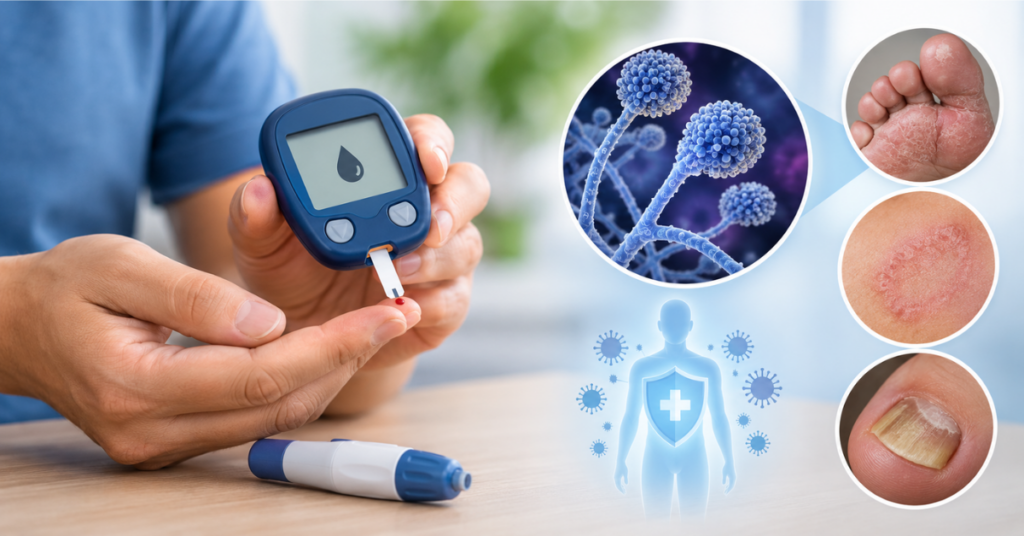
Yes. Having diabetes may put you at higher risk of fungal infections, particularly if your blood sugar levels are high for long periods. High blood sugar can compromise the body’s immune defenses and make it harder to fight infections. But having diabetes does not mean someone will get serious fungal infection. Good diabetes control and timely medical care may help to decrease risks of infection.
How Diabetes Raises Your Risk For Fungal Infections
High blood sugar can damage some parts of the immune response, making it harder for the body to fight off some infections. High levels of glucose may also create conditions conducive to the growth of some fungi. Poorly controlled diabetes, especially with very high blood sugar, can therefore make you more susceptible to certain fungal infections.
Other factors that can increase risk include wounds, recent surgery, long-term use of antibiotics, or having a weakened immune system from another condition. The amount of risk is different for each person.
What Are The Serious Fungal Infections In People With Diabetes?
Fungal infections can range from mild infections of the skin or mouth to life-threatening invasive infections and should be treated promptly.
Mucormycosis is a rare but severe infection caused by a group of molds called mucormycetes. It can affect the sinuses, lungs, skin or other organs. People with poorly controlled diabetes, particularly those with very high blood sugar or diabetic ketoacidosis, may be at increased risk.
Invasive candidiasis is when Candida gets into the bloodstream or deeper into the tissues. It is more common in people who are seriously ill, hospitalized or have other risk factors. It can become a serious infection of the whole body.
Warning Signs That Shouldn’t Be Ignored
The warning signs depend on the type and location of infection. Symptoms can include fever that won’t go away, increasing weakness, painful or swollen skin, a wound that doesn’t heal, unusual discharge, or increasing redness around a wound.
If you have diabetes and you have swelling of the face, severe sinus pain, black or dark tissue around a wound, trouble breathing, confusion, or a fever that doesn’t go away, get medical attention right away.
People With Diabetes Can Lower Their Risk By:
It is important to keep your blood sugar within the range your healthcare professional recommends. It can also help to monitor regularly, take prescribed medicines correctly, practice good hygiene and care for cuts or wounds.
Anyone with diabetes should not dismiss ongoing skin issues, mouth infections or slow-healing wounds. Early assessment is helpful for infection identification before they become harder to control.
When To See Your Doctor?
If the symptoms are not improving, are getting worse or there are signs of a serious infection, seek medical advice. People with diabetes should be particularly alert for persistent fever, wounds that won’t heal or rapidly spreading redness or swelling. If you have any doubts about Infections in Diabetes & Low Immunity Treatment in Indore, an infectious disease specialist can evaluate your symptoms, risk factors, and whether you need further evaluation.
FAQs
Can fungus cause diabetes.
Not all fungal infections are caused directly by diabetes. High blood sugar can impair your immune defenses and make you more vulnerable to some fungal infections.
Is mucormycosis common among people who have diabetes?
No. Mucormycosis is a rare infection, but poorly controlled diabetes can increase the risk of developing this serious infection.
What does invasive candidiasis mean?
It is a serious form of Candida infection where the fungus enters the blood stream or deeper tissues. “It’s mainly affecting people with major medical risk factors.
Does controlling blood sugar reduce the risk of infection?
Good blood sugar control helps support normal immune function and may help reduce the risk of certain infections and their complications.
When does a person with diabetes need to seek medical care?
See a doctor immediately if you have a fever that won’t go away, wounds that are getting worse, redness or swelling that is spreading quickly, difficulty breathing or any other symptom that is severe or worsening.