
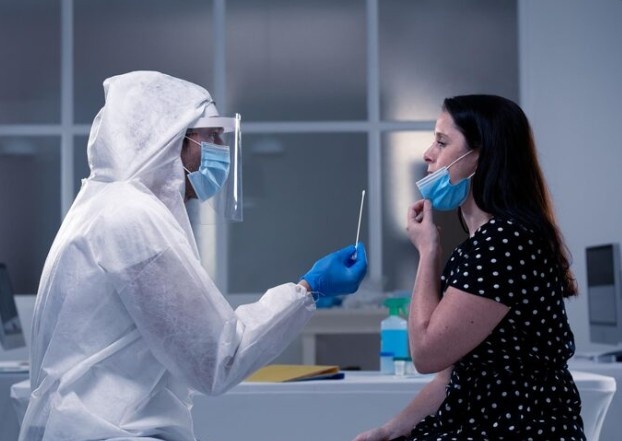
Repeated infections can significantly affect your quality of life. If you frequently experience urinary tract infections, respiratory infections, skin infections, or prolonged fever, it may indicate an underlying medical condition that requires specialized care. Consulting the Best Infection Specialist in Indore can help identify the root cause and provide advanced treatment before complications develop.
Today, infectious diseases are becoming more complex due to antibiotic resistance, changing bacterial patterns, viral outbreaks, and weakened immunity. Therefore, modern treatment is no longer limited to prescribing antibiotics. The Best Infection Specialist in Indore combines advanced diagnostics, evidence-based medicine, and personalized treatment plans to achieve better outcomes.
Understanding Recurrent and Severe Infections
An infection is considered recurrent when it returns repeatedly after treatment. On the other hand, severe infections spread rapidly, affect multiple organs, or become life-threatening if not treated promptly.
Common recurrent infections include:
- Recurrent urinary tract infections (UTIs)
- Chronic respiratory infections
- Repeated skin and soft tissue infections
- Recurrent fungal infections
- Persistent sinus infections
- Tuberculosis relapse
- Bone and joint infections
Several factors increase the risk, including:
- Diabetes
- Weak immune system
- Long-term steroid use
- Kidney disease
- Liver disease
- Cancer treatment
- Poor nutrition
- Improper antibiotic use
Identifying these underlying causes is essential for successful long-term treatment.
Why Early Consultation Matters
Many people continue taking antibiotics without medical supervision whenever symptoms return. Unfortunately, this practice often leads to antibiotic resistance and incomplete recovery.
The Best Infection Specialist in Indore focuses on identifying why infections keep returning rather than simply treating the symptoms. Early specialist consultation offers several benefits:
- Accurate diagnosis
- Targeted treatment
- Reduced complications
- Faster recovery
- Prevention of antibiotic resistance
- Lower risk of hospitalization
Early intervention often prevents minor infections from becoming serious health problems.
Advanced Diagnostic Techniques Before Treatment
Successful treatment begins with the correct diagnosis. Modern infectious disease specialists use several advanced investigations to identify the exact cause.
Blood Culture and Sensitivity Testing
Blood cultures detect bacteria or fungi circulating in the bloodstream. Sensitivity testing identifies which antibiotics will work best.
This approach avoids unnecessary medications and improves treatment success.
Molecular Diagnostic Tests
PCR-based tests can detect viruses, bacteria, fungi, and parasites much earlier than conventional methods.
These tests are especially valuable for:
- Tuberculosis
- Viral infections
- Fungal diseases
- Bloodstream infections
Imaging Studies
Depending on symptoms, investigations may include:
- CT Scan
- MRI
- Ultrasound
- Chest X-ray
These tests help locate hidden infections that routine examinations may miss.
Immune System Evaluation
Patients with repeated infections often undergo immune function testing to determine whether an immune deficiency contributes to their condition.
Personalized Antibiotic Therapy
Not every infection requires the same antibiotic.
The Best Infection Specialist in Indore selects antibiotics based on:
- Culture reports
- Severity of infection
- Patient’s medical history
- Kidney function
- Liver function
- Previous antibiotic exposure
This personalized approach reduces treatment failure and minimizes side effects.
In many cases, antibiotics are adjusted during treatment according to laboratory findings and clinical response.
Treatment for Drug-Resistant Infections
Antibiotic resistance is becoming one of the biggest healthcare challenges worldwide.
Drug-resistant infections include:
- MRSA
- Multi-drug resistant tuberculosis
- Resistant urinary infections
- Resistant hospital-acquired infections
Managing these conditions requires careful antibiotic selection and close monitoring.
The Best Infection Specialist in Indore stays updated with current treatment guidelines and uses advanced antimicrobial stewardship principles to combat resistant organisms effectively.
Intravenous (IV) Antibiotic Therapy
Some infections cannot be treated with oral medications alone.
Patients may require intravenous antibiotics for conditions such as:
- Bloodstream infections
- Bone infections
- Severe pneumonia
- Infective endocarditis
- Brain infections
IV therapy delivers medication directly into the bloodstream, allowing faster and more effective treatment.
Many patients can also receive outpatient IV antibiotic therapy under medical supervision, reducing the need for prolonged hospitalization.
Advanced Treatment for Viral and Fungal Infections
Not all infections are bacterial.
Modern infectious disease management also includes advanced care for:
Viral Infections
Treatment may involve:
- Antiviral medications
- Immune monitoring
- Supportive therapy
- Long-term follow-up
Fungal Infections
Serious fungal infections require:
- Specialized antifungal medications
- Laboratory monitoring
- Imaging evaluation
- Treatment response assessment
Early diagnosis significantly improves outcomes in fungal diseases.
Management of Fever of Unknown Origin
Persistent fever lasting several weeks often requires specialized evaluation.
The Best Infection Specialist in Indore investigates possible causes such as:
- Hidden bacterial infections
- Tuberculosis
- Viral illnesses
- Autoimmune diseases
- Rare infectious conditions
A systematic diagnostic approach helps identify the exact cause instead of relying on repeated empirical treatments.
Comprehensive Infection Prevention Strategies
Treatment does not end when symptoms disappear.
Long-term prevention plays a crucial role in avoiding recurrence.
Patients receive guidance on:
- Vaccination recommendations
- Diabetes control
- Hygiene practices
- Nutrition improvement
- Lifestyle modifications
- Safe antibiotic use
- Follow-up evaluations
Preventive care reduces future infections while improving overall health.
Management of Infections in High-Risk Patients
Certain individuals require specialized infectious disease care because of their increased risk.
These include:
- Elderly patients
- Organ transplant recipients
- Cancer patients
- Diabetic patients
- ICU patients
- Individuals with autoimmune disorders
The Best Infection Specialist in Indore develops individualized treatment plans based on each patient’s health condition and infection risk.
This personalized approach ensures both safety and effectiveness.
Importance of Antibiotic Stewardship
One of the most significant advances in infectious disease management is antibiotic stewardship.
This strategy focuses on:
- Using antibiotics only when necessary
- Selecting the correct antibiotic
- Prescribing the right dosage
- Determining the appropriate treatment duration
- Monitoring treatment effectiveness
Responsible antibiotic use protects patients while reducing the development of resistant bacteria.
Multidisciplinary Care for Complex Infections
Some infections require collaboration between different medical specialists.
Depending on the condition, treatment may involve:
- Internal Medicine Specialists
- Critical Care Physicians
- Pulmonologists
- Nephrologists
- Surgeons
- Microbiologists
- Radiologists
This coordinated approach ensures accurate diagnosis, timely intervention, and comprehensive patient care.
When Should You Consult an Infection Specialist?
Do not ignore symptoms if you experience:
- Fever lasting more than a few days
- Recurrent urinary infections
- Frequent chest infections
- Persistent skin infections
- Infections not improving with antibiotics
- Repeated hospital admissions due to infections
- Unexplained weight loss with fever
Early specialist evaluation helps prevent complications and supports quicker recovery.
Conclusion
Recurrent or severe infections often require more than routine treatment. Modern infectious disease care combines advanced laboratory testing, personalized antibiotic therapy, antimicrobial stewardship, immune evaluation, and preventive strategies to deliver better long-term outcomes.
The Best Infection Specialist in Indore focuses on identifying the underlying cause of infection rather than simply treating symptoms. With evidence-based treatment plans, careful monitoring, and individualized care, patients can achieve faster recovery while reducing the risk of recurrence and antibiotic resistance.
If you or a loved one experiences repeated infections, persistent fever, or infections that do not respond to standard treatment, seeking timely consultation with an experienced infection specialist can make a significant difference in both recovery and long-term health.