
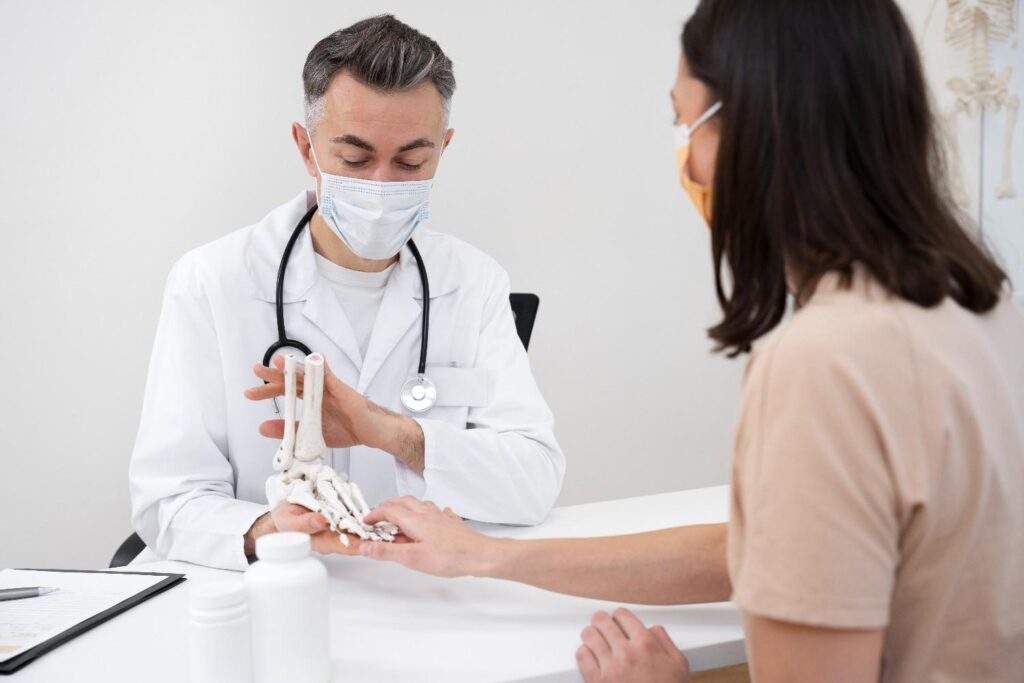
Bone infections can develop gradually or appear suddenly, and ignoring the early signs may allow the infection to become more serious. If you have persistent bone pain, swelling, redness, fever, or a wound that is not healing, it may be time to consult a Bone Infection Specialist in Indore. Early medical evaluation can help identify the underlying problem and prevent complications.
Bone infections, medically known as osteomyelitis, can affect people of different ages. They may occur when bacteria or other microorganisms reach the bone through the bloodstream, an open wound, surgery, or an infection in nearby tissues. Therefore, recognizing the warning signs is important for timely care.
What Is a Bone Infection?
A bone infection occurs when harmful microorganisms infect the bone tissue. Bacteria are a common cause, although other microorganisms can sometimes be responsible.
The infection may affect any bone in the body. However, it commonly involves the long bones of the arms and legs, the spine, or bones around areas affected by wounds or surgery.
In some cases, the infection develops quickly. In others, it progresses slowly and causes symptoms that may be easy to overlook. As a result, persistent or unexplained symptoms should not be ignored.
When Should You See a Bone Infection Specialist in Indore?
Knowing when to seek professional medical attention can make a significant difference. You should consider consulting a Bone Infection Specialist in Indore if you experience symptoms such as:
- Persistent or worsening bone pain
- Swelling around a bone or joint
- Redness or warmth over the affected area
- Fever or chills
- Unexplained fatigue or weakness
- Pus or discharge from a wound
- A wound that does not heal properly
- Pain around a previous surgical site
- Difficulty moving an affected limb
- Repeated infection in the same area
A single symptom does not necessarily mean that you have a bone infection. Nevertheless, several symptoms occurring together require proper medical evaluation.
Persistent Bone Pain Should Not Be Ignored
Bone pain can happen for many reasons, including injuries, arthritis, muscle problems, or other conditions. However, pain that continues despite rest or gradually becomes worse needs attention.
If the pain is accompanied by swelling, fever, redness, or tenderness, an infection may need to be ruled out. Therefore, visiting a Bone Infection Specialist in Indore can help determine whether the symptoms are related to an infection or another underlying condition.
Early assessment is particularly important when pain develops near a wound, surgical area, or previously injured bone.
Swelling, Redness, and Warmth Can Be Warning Signs
Infection often causes inflammation in the affected area. As a result, the skin around an infected bone may become red, warm, swollen, or tender.
Sometimes, these changes can be mistaken for a minor injury. However, if swelling or redness persists without a clear explanation, it is better to seek medical advice.
A specialist can evaluate the symptoms and determine whether further investigations are required.
Fever Along With Bone Pain Needs Attention
Fever is one of the body’s common responses to infection. When fever occurs together with persistent bone pain, swelling, or an infected wound, it should not be overlooked.
In particular, people who recently underwent surgery or suffered an open injury should pay close attention to new fever or worsening pain.
Timely consultation with a Bone Infection Specialist in Indore can help identify a possible infection before it becomes more difficult to manage.
Non-Healing Wounds May Indicate an Underlying Problem
A wound that does not heal as expected can sometimes indicate a deeper infection. This is especially important when the wound is close to a bone.
For example, an infected wound may cause persistent discharge, unpleasant odour, swelling, pain, or redness. In more advanced cases, the infection can extend from nearby tissues into the bone.
People with diabetes or poor circulation may also need extra attention because wounds can take longer to heal. Therefore, a non-healing wound should receive proper medical evaluation rather than repeated self-treatment.
Bone Infection After Surgery or an Injury
Bone infections can sometimes develop after orthopedic surgery, particularly when there has been an implant, fixation device, or significant tissue injury. They can also occur after open fractures where the bone is exposed to the outside environment.
If you develop increasing pain, swelling, redness, discharge, or fever after surgery or an injury, contact your healthcare provider promptly.
Importantly, not every post-surgical symptom indicates an infection. However, worsening symptoms should be assessed to determine the exact cause.
Who May Have a Higher Risk of Bone Infection?
Certain conditions can increase the risk of developing an infection involving the bone. These may include:
- Diabetes
- Poor blood circulation
- Open fractures
- Recent orthopedic surgery
- Deep wounds or ulcers
- A weakened immune system
- Previous bone infection
- Long-term infections in nearby tissues
Having a risk factor does not mean that a person will definitely develop osteomyelitis. However, it makes early evaluation more important when symptoms appear.
How Is a Bone Infection Diagnosed?
Diagnosis usually begins with a detailed medical history and physical examination. The doctor may ask about previous injuries, surgeries, wounds, infections, and the duration of symptoms.
Depending on the situation, additional tests may be recommended. These can include blood tests, imaging studies such as X-rays, MRI scans, or other investigations.
In certain cases, a sample from the infected area may be required to identify the microorganism responsible for the infection. This information can help doctors choose an appropriate treatment approach.
The exact diagnostic process depends on the location, severity, and suspected cause of the infection.
Why Early Treatment Matters
A bone infection should not be left untreated. Without appropriate care, an infection can potentially become chronic or spread to nearby tissues.
Furthermore, long-standing infection may damage bone and surrounding tissue. In severe cases, it can affect normal movement and overall quality of life.
The good news is that early diagnosis can provide an opportunity to begin suitable treatment before complications develop. Treatment depends on the cause and severity and may involve antibiotics, wound care, drainage of an abscess, or a surgical procedure when necessary.
What to Expect From a Bone Infection Specialist in Indore
A Bone Infection Specialist in Indore evaluates the complete clinical picture rather than focusing only on one symptom. The specialist may assess the affected area, review your medical history, recommend appropriate investigations, and determine whether an infection is present.
Treatment is then planned according to the individual’s condition. Factors such as the type of infection, affected bone, duration of symptoms, previous treatment, and overall health may influence the approach.
Most importantly, patients should follow the prescribed treatment carefully and attend recommended follow-up appointments.
Don’t Wait for Symptoms to Become Severe
Bone infections can sometimes start with mild symptoms. For this reason, waiting until the pain becomes severe is not always a good idea.
If you have unexplained bone pain, a persistent wound, swelling, fever, or symptoms following surgery or an injury, seek professional medical advice. Early evaluation can help identify the problem and guide appropriate treatment.
Conclusion
Knowing when to consult a Bone Infection Specialist in Indore is an important part of protecting your bone health. Persistent pain, swelling, redness, fever, non-healing wounds, or symptoms after surgery or injury should receive proper medical attention.
Bone infections can be complex, but early diagnosis and appropriate treatment can help reduce the risk of complications. If you notice symptoms that concern you, do not rely only on home remedies or delay medical evaluation.
Dr. Prerna Bedi Lakhotia can assess your symptoms and help determine whether further investigation or treatment is required. When it comes to a possible bone infection, timely professional care can make a meaningful difference in recovery and long-term health.
For More Information, Visit Now: https://share.google/pVPzphm40R2ox810o