
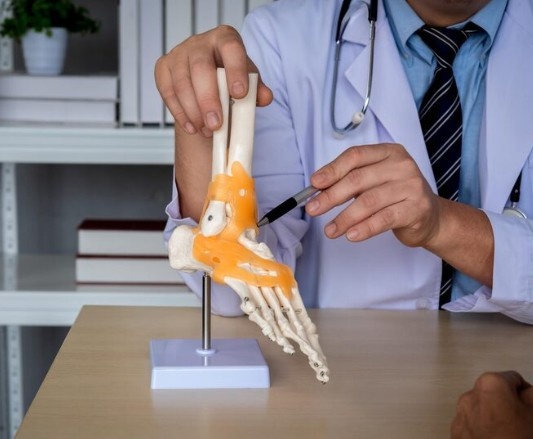
Osteomyelitis is a serious infection that affects the bone and can develop when bacteria or other microorganisms reach bone tissue. Early diagnosis and appropriate treatment can help control the infection and reduce the risk of complications. If you are looking for Osteomyelitis Treatment in Indore, it is important to consult an experienced infection specialist who can identify the cause and severity of the infection before deciding on treatment.
The treatment approach is not the same for every patient. It depends on factors such as the location of the infection, whether it is acute or chronic, the type of microorganism involved, previous surgeries, and the patient’s overall health.
What Is Osteomyelitis?
Osteomyelitis is an infection of the bone. It can occur when an infection travels through the bloodstream or spreads from nearby infected tissue. It may also develop after an open injury, fracture, surgery, or the placement of orthopedic implants.
Common symptoms may include:
- Persistent bone or joint pain
- Swelling and tenderness
- Warmth or redness around the affected area
- Fever or chills
- Fatigue
- Wound discharge in some cases
People with diabetes, poor circulation, weakened immunity, or chronic wounds may have a higher risk of developing bone infections.
How Is Osteomyelitis Diagnosed?
Before starting Osteomyelitis Treatment in Indore, a doctor needs to understand how extensive the infection is and, when possible, identify the microorganism causing it.
Diagnosis may involve:
Blood Tests
Blood tests can help identify signs of inflammation or infection. Blood cultures may also help identify bacteria circulating in the bloodstream.
Imaging Tests
An X-ray may show changes in the bone, although some changes may take time to become visible. Depending on the situation, an MRI or CT scan may provide more detailed information about the affected bone and surrounding tissues.
Bone Biopsy or Culture
In selected cases, a bone biopsy or tissue sample may be recommended. This can help identify the microorganism responsible for the infection and guide antibiotic selection.
Antibiotic Therapy for Osteomyelitis
Antibiotics are an important part of Osteomyelitis Treatment in Indore when a bacterial infection is confirmed or strongly suspected.
The choice of antibiotic depends on factors such as:
- The identified microorganism
- Antibiotic sensitivity results
- Location and severity of infection
- Previous antibiotic exposure
- Kidney and liver function
- Other medical conditions
Some patients may initially require antibiotics through a vein. Depending on the infection and response to treatment, the treatment plan may later be adjusted, including a switch to oral antibiotics. Treatment duration varies from patient to patient and should be decided by the treating specialist.
Patients should not stop antibiotics early or take leftover antibiotics without medical advice. Completing the prescribed treatment and attending follow-up appointments are important for reducing the risk of persistent infection.
Surgical Treatment for Osteomyelitis
Antibiotics alone may not always be enough, particularly when infected or dead bone tissue is present. In such situations, surgery may be considered as part of Osteomyelitis Treatment in Indore.
Depending on the patient’s condition, surgical management may involve:
Drainage of an Abscess
If pus or infected fluid has collected around the bone, drainage may be required to control the infection.
Debridement
Debridement involves removing infected or dead bone and tissue. This can help reduce the amount of infected material and allow healthy tissue to heal.
Removal of Infected Hardware
If infection is associated with plates, screws, or other orthopedic hardware, the treating surgical team may need to assess whether the hardware should remain or be removed.
Bone or Tissue Reconstruction
When infection has caused significant bone or soft-tissue damage, additional procedures may sometimes be required to restore the affected area. The exact approach depends on the location and extent of damage.
Treatment of Chronic Osteomyelitis
Chronic osteomyelitis can be more difficult to manage because the infection may persist for a long period or return after previous treatment.
A patient with chronic infection may require a combination of:
- Microbiological testing
- Targeted antibiotics
- Surgical removal of infected tissue
- Wound care
- Management of underlying health conditions
- Regular clinical monitoring
For patients with diabetes, controlling blood sugar and managing foot wounds are particularly important. Good circulation and proper wound care can also support recovery.
Why Individualized Treatment Matters
There is no single treatment that works for every case of osteomyelitis. A treatment plan should be based on the patient’s symptoms, examination findings, test results, medical history, and the suspected or confirmed cause of infection.
For example, a patient with an early infection may have a different treatment plan from someone with chronic osteomyelitis after orthopedic surgery. Similarly, treatment for a bone infection associated with a diabetic foot wound may require careful management of both the infection and the underlying wound.
This is why seeking professional advice early is an important step when considering Osteomyelitis Treatment in Indore.
When Should You See an Infection Specialist?
Persistent bone pain should not always be assumed to be due to an old injury or arthritis. If pain is accompanied by fever, swelling, redness, wound discharge, or a non-healing wound, medical evaluation is important.
People who have recently undergone bone or joint surgery should also seek medical attention if they develop signs of infection around the surgical site.
Early evaluation can help determine whether further testing, antibiotic treatment, surgical consultation, or another approach is required. Untreated osteomyelitis can potentially lead to complications such as bone death, spread of infection to nearby joints, or chronic infection.
Osteomyelitis Treatment in Indore: What Can You Expect?
When you consult Dr. Prerna Bedi Lakhotia for Osteomyelitis Treatment in Indore, the treatment process can begin with a detailed assessment of your symptoms and medical history. Appropriate investigations may then be recommended to understand the infection.
Depending on the findings, treatment may involve targeted antibiotics, wound management, coordination with an orthopedic surgeon, or surgical treatment when required.
The goal is not only to control the infection but also to address factors that may increase the risk of recurrence. Regular follow-up helps monitor recovery and allows the treatment plan to be adjusted when needed.
Conclusion
Osteomyelitis requires timely and carefully planned medical care. Treatment may include targeted antibiotics, drainage, debridement, removal of infected tissue or hardware, wound care, and management of underlying health conditions. In some cases, a combination of medical and surgical treatment may be necessary.
If you are experiencing persistent bone pain, swelling, fever, or a non-healing wound, do not ignore the symptoms. Seeking an appropriate evaluation can help identify the infection early and guide the right treatment.
For professional Osteomyelitis Treatment in Indore, consult an experienced infection specialist such as Dr. Prerna Bedi Lakhotia for an individualized assessment and treatment plan.
For More Information, Visit Now: https://share.google/pVPzphm40R2ox810o