
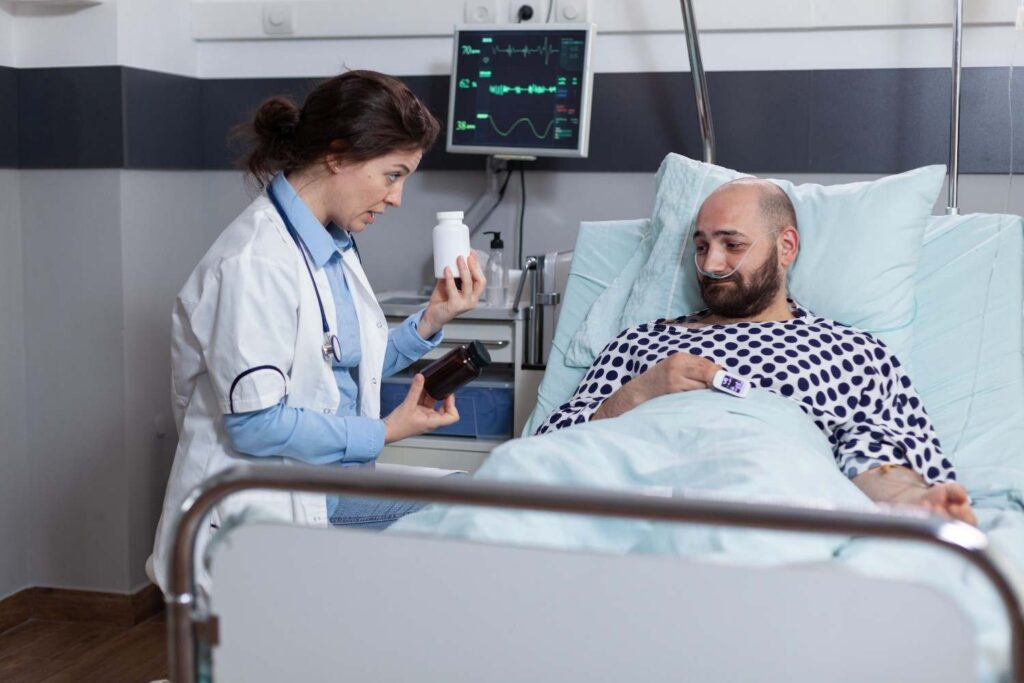
Severe infections can worsen quickly and, in some cases, trigger a life-threatening condition called sepsis. Early recognition and timely medical treatment are essential to reduce the risk of serious complications. A Sepsis Specialist in Indore plays an important role in identifying the source of infection, starting appropriate treatment, and closely monitoring the patient’s condition.
Sepsis is not simply an infection. It is the body’s extreme response to an infection, which can affect vital organs and overall body function. Therefore, patients with severe or rapidly worsening symptoms need urgent medical attention. A Sepsis Specialist in Indore focuses on accurate diagnosis, infection control, supportive care, and preventing further complications.
At Dr. Prerna Bedi Lakhotia’s clinic, the approach to severe infections is based on careful evaluation, evidence-based treatment, and individualized patient care. The goal is to control the infection as early as possible while supporting the body through recovery.
Understanding Sepsis and Severe Infections
Infections can develop in different parts of the body, including the lungs, urinary tract, abdomen, skin, bones, or bloodstream. While many infections respond well to treatment, some can become severe and spread rapidly.
Sepsis occurs when the body’s response to an infection becomes uncontrolled and leads to organ dysfunction. Without prompt treatment, the condition can progress and cause serious complications.
Common warning signs may include:
- High fever or unusually low body temperature
- Rapid breathing or heart rate
- Confusion or altered consciousness
- Extreme weakness
- Low blood pressure
- Reduced urine output
- Difficulty breathing
These symptoms require immediate medical assessment. A Sepsis Specialist in Indore can evaluate the severity of the infection and determine the appropriate level of care without unnecessary delay.
Early Diagnosis Is the First Step in Sepsis Management
One of the most important parts of managing sepsis is identifying the infection early. However, determining the exact source of a severe infection can sometimes be challenging.
A detailed evaluation may include reviewing symptoms, medical history, previous treatments, and underlying health conditions. Blood tests, cultures, imaging, and other investigations may be recommended based on the patient’s condition.
The purpose is not simply to order multiple tests. Instead, the focus is on selecting appropriate investigations that can help identify the source and cause of infection.
For example, an infection may be bacterial, viral, or fungal. Each type requires a different treatment approach. Therefore, accurate diagnosis helps a Sepsis Specialist in Indore choose treatment more precisely and avoid inappropriate medication use.
Controlling the Source of Infection
Effective sepsis treatment depends on controlling the underlying infection. Once the likely source is identified, treatment is planned according to the patient’s clinical condition and test results.
Depending on the cause, treatment may involve appropriate antibiotics, antiviral medicines, or antifungal medications. In some situations, additional procedures may be needed to control the source of infection, such as managing an infected wound or draining an abscess.
Treatment decisions should be based on medical evaluation rather than self-medication. Taking antibiotics without proper guidance can delay accurate diagnosis and contribute to antibiotic resistance.
A Sepsis Specialist in Indore carefully assesses the patient’s response to treatment and makes changes when necessary. This ongoing evaluation is particularly important in severe or drug-resistant infections.
Stabilizing the Patient and Supporting Vital Organs
Sepsis can affect several body systems. Therefore, treating the infection alone may not be enough. Patients may also require supportive care to maintain blood pressure, breathing, kidney function, and other vital functions.
Depending on the severity of the illness, supportive treatment may include:
- Intravenous fluids
- Oxygen or breathing support
- Blood pressure management
- Monitoring of urine output
- Management of electrolyte and metabolic problems
- ICU care and organ support when required
Close monitoring helps doctors recognize changes in the patient’s condition quickly. This allows treatment to be adjusted according to the patient’s needs.
A Sepsis Specialist in Indore works as part of a coordinated medical approach when intensive care or support from other specialists is required. Timely intervention can help reduce the risk of further organ damage.
Managing Complications of Severe Infections
Severe infections can lead to complications, especially in older adults and people with weakened immunity or other underlying health conditions. Patients with diabetes, cancer, recent surgery, or prolonged hospitalization may also require closer attention.
Possible complications can involve the lungs, kidneys, heart, brain, or other organs. Infections acquired during hospitalization, including catheter-related or ventilator-associated infections, can also require specialized management.
Careful monitoring is essential because a patient’s condition can change rapidly. A Sepsis Specialist in Indore evaluates clinical symptoms and test results regularly to identify complications at an early stage.
Early action may help prevent a manageable infection from becoming more serious. For this reason, patients should not ignore worsening symptoms or assume that persistent fever will resolve on its own.
The Importance of Targeted and Evidence-Based Treatment
Severe infections should be treated with the right medication for the right cause. Broad or unnecessary use of antibiotics is not always beneficial and may contribute to antibiotic resistance.
Whenever possible, doctors consider laboratory findings and the patient’s clinical condition to guide treatment. If an infection is caused by a resistant organism, the treatment plan may need to be modified accordingly.
Dr. Prerna Bedi Lakhotia focuses on evidence-based infectious disease management, including the evaluation of complex infections and careful use of antimicrobial medications. This approach supports effective treatment while avoiding unnecessary medication exposure.
Monitoring Recovery After Sepsis
Recovery does not always end when the immediate infection is controlled. Some patients may need continued monitoring, follow-up care, and support after a severe infection.
The recovery plan depends on the severity of the illness, organs affected, underlying health conditions, and response to treatment. Follow-up can help identify persistent symptoms, recurrent infections, or treatment-related concerns.
Patients should follow their doctor’s advice regarding medications, nutrition, activity, and follow-up appointments. It is also important to report new or worsening symptoms promptly.
A personalized recovery plan helps ensure that patients receive appropriate support as they regain strength and return to their daily routine.
When Should You Seek Immediate Medical Attention?
A serious infection should never be ignored. Seek urgent medical care if an infection is getting worse or is accompanied by symptoms such as confusion, breathing difficulty, extreme weakness, very low blood pressure, or reduced urine output.
Prompt evaluation is especially important for people who are at a higher risk of severe infections. Early treatment can make a significant difference and may help prevent serious complications.
Conclusion
Sepsis is a medical emergency that requires rapid recognition, accurate diagnosis, and timely treatment. Managing severe infections involves much more than treating symptoms. It requires identifying the source of infection, providing appropriate antimicrobial treatment, supporting vital organs, and monitoring the patient closely for complications.
Consulting a Sepsis Specialist in Indore can help ensure that severe infections receive a structured and evidence-based approach. Dr. Prerna Bedi Lakhotia provides specialized care for complex infectious diseases, sepsis, and critical infections with a focus on accurate diagnosis and individualized treatment.
If you or someone close to you has a severe infection that is worsening rapidly, do not delay seeking medical attention. Timely care is essential when dealing with sepsis and other serious infections.
For More Information, Visit Now: https://share.google/pVPzphm40R2ox810o