
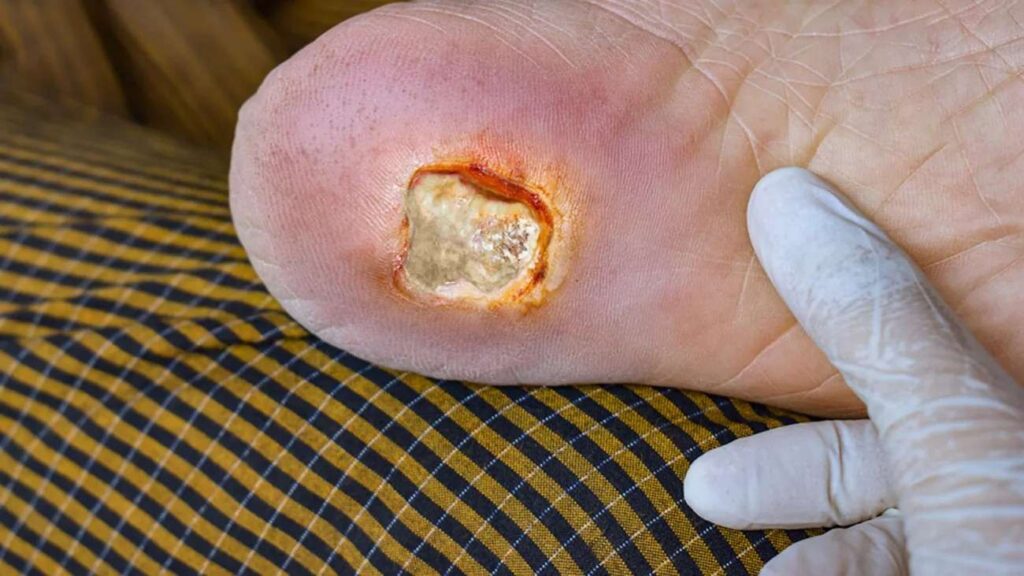
For people living with diabetes, foot health deserves regular attention. High blood sugar can contribute to nerve damage and poor blood circulation, which may make small cuts, blisters, or wounds harder to notice and slower to heal. A Diabetic Foot Infection Specialist in Indore can help identify these risks early, manage existing infections, and create a preventive foot-care plan to reduce the chances of serious complications.
Diabetic foot problems do not always begin with severe symptoms. A minor wound can become infected if it is overlooked or not treated properly. Regular foot examinations and timely medical care can help detect problems before they become more complicated.
Why Are Diabetic Feet More Prone to Complications?
Diabetes can affect the nerves and blood vessels in the feet. Nerve damage, also known as diabetic neuropathy, may reduce the ability to feel pain, heat, or pressure. As a result, a person may not notice a small cut, blister, or injury.
Poor blood circulation can also affect the body’s ability to heal wounds. When a wound remains open for longer, bacteria can enter and cause an infection.
A Diabetic Foot Infection Specialist in Indore evaluates these risk factors and looks for early signs of ulcers, skin damage, infection, circulation problems, and other foot-related complications.
How Can a Diabetic Foot Infection Specialist Help?
A specialist can take a preventive and treatment-focused approach. The exact care depends on the patient’s diabetes control, foot condition, circulation, nerve function, and presence or absence of infection.
1. Regular Diabetic Foot Examination
Regular examinations can help identify problems that may not be obvious to the patient.
A foot assessment may include checking:
- Skin condition
- Cuts, blisters, and ulcers
- Swelling or redness
- Foot structure and deformities
- Sensation and nerve function
- Blood circulation
- Toenails and surrounding skin
- Signs of infection
The CDC recommends regular comprehensive foot examinations for people with diabetes, with more frequent assessment for individuals at increased risk.
2. Early Detection of Foot Infections
One of the important roles of a Diabetic Foot Infection Specialist in Indore is recognizing infection at an early stage.
Possible warning signs include redness, swelling, warmth, drainage, changes in the appearance of a wound, increasing pain, or fever. However, pain may not always be present when diabetic neuropathy has affected sensation.
A specialist can assess the wound and determine whether infection is present and how severe it may be. International guidance recommends clinical assessment and classification of diabetic foot infections to help guide appropriate management.
3. Proper Wound Care
A diabetic foot wound should not be ignored or treated casually at home.
A Diabetic Foot Infection Specialist in Indore can assess the wound, clean and dress it appropriately, monitor healing, and determine whether additional treatment is required.
Proper wound care can help reduce the risk of an infection becoming deeper or more difficult to manage. Patients should also follow their doctor’s instructions for keeping the wound protected and attending follow-up appointments.
4. Identifying Neuropathy and Loss of Sensation
Neuropathy can make foot injuries difficult to detect. Someone may step on a sharp object, develop a blister from poorly fitting footwear, or sustain a minor injury without feeling significant pain.
A specialist can evaluate sensation and identify whether nerve damage may be increasing the patient’s risk of foot ulcers.
Daily foot checks are also important. The CDC recommends checking the feet every day for cuts, redness, swelling, sores, blisters, corns, calluses, and other changes.
5. Checking Blood Circulation
Good blood flow is important for healthy skin and wound healing.
During an evaluation, a Diabetic Foot Infection Specialist in Indore may assess circulation and look for signs that blood flow to the feet may be reduced.
If circulation appears abnormal, additional evaluation or referral may be recommended. Identifying circulation problems early can be an important part of preventing difficult-to-heal wounds.
The Importance of Proper Footwear
Footwear plays an important role in preventing pressure and injuries.
Shoes should fit properly and provide adequate protection. People at increased risk of diabetic foot ulcers may benefit from footwear designed to accommodate the shape of their feet and reduce excessive pressure.
International diabetic foot prevention guidance recommends appropriate therapeutic footwear for certain people at moderate risk of foot ulceration.
People with diabetes should also avoid walking barefoot, particularly when they have reduced sensation or an increased risk of ulcers.
How Diabetes Management Supports Foot Health
Foot care is not separate from diabetes management.
Keeping blood glucose within the target range recommended by the treating doctor can help reduce the risk of diabetes-related complications. Healthy eating, appropriate physical activity, taking prescribed medicines, and attending regular medical appointments are also important parts of diabetes care.
A Diabetic Foot Infection Specialist in Indore may work alongside the patient’s diabetes care team when additional support is needed.
Daily Foot Care Tips for People With Diabetes
Simple daily habits can make a difference. People with diabetes should:
- Check both feet every day.
- Look for cuts, blisters, redness, swelling, or sores.
- Wash feet with warm water and dry them carefully.
- Avoid walking barefoot.
- Wear comfortable, properly fitting footwear.
- Keep toenails trimmed carefully.
- Avoid removing corns or calluses on your own.
- Report unusual changes to a healthcare professional.
- Attend recommended foot examinations.
The CDC specifically advises people with diabetes to avoid self-treatment of corns and calluses and to seek professional foot care when needed.
When Should You See a Diabetic Foot Infection Specialist?
Do not wait for a minor foot problem to become severe.
You should seek medical advice if you notice a wound that is not healing, increasing redness or swelling, discharge, skin discoloration, new numbness, changes in foot temperature, an infected nail, or other unusual changes.
Prompt evaluation is particularly important when a person has diabetes because neuropathy and poor circulation can allow problems to progress without obvious symptoms.
How Early Care Can Help Prevent Serious Complications
The goal of diabetic foot care is not only to treat an infection after it develops. Prevention and early detection are equally important.
A Diabetic Foot Infection Specialist in Indore can help patients understand their individual risk, identify early foot problems, provide appropriate wound and infection management, and recommend preventive measures.
When necessary, care may involve other healthcare professionals as part of a coordinated approach. Early assessment is especially important when there is an ulcer, suspected infection, circulation problem, or significant loss of sensation.
Frequently Asked Questions
1. Why is diabetic foot care important?
Diabetes can cause nerve damage and circulation problems that increase the risk of foot injuries, ulcers, and infections. Regular foot checks can help identify problems early.
2. How often should a person with diabetes have their feet checked?
The appropriate frequency depends on individual risk. A comprehensive foot examination is generally recommended at least annually, while people with higher-risk foot conditions may need more frequent assessments.
3. Can a small diabetic foot wound become infected?
Yes. A small cut, blister, or ulcer can become infected, particularly when healing is affected by diabetes-related nerve or circulation problems. Prompt medical assessment is important when a wound does not heal normally.
4. Should people with diabetes walk barefoot?
People at risk of diabetic foot ulceration are generally advised to avoid walking barefoot because it can expose the feet to injury and excessive pressure.
5. When should I contact a diabetic foot specialist?
Contact a healthcare professional if you notice a wound, ulcer, redness, swelling, discharge, significant skin changes, numbness, or another unusual change in your feet. Prompt treatment can help prevent a minor problem from becoming more serious.
Conclusion
Diabetic foot complications can often be reduced through regular monitoring, good diabetes management, proper footwear, daily foot checks, and timely medical care. A Diabetic Foot Infection Specialist in Indore can play an important role in identifying risk factors, detecting infections early, managing wounds, and helping patients protect their feet.
If you have diabetes, do not ignore a small foot injury simply because it does not hurt. Regular professional assessment and early attention to changes in your feet can support better long-term foot health.
For More Information, Visit Now: https://share.google/pVPzphm40R2ox810o