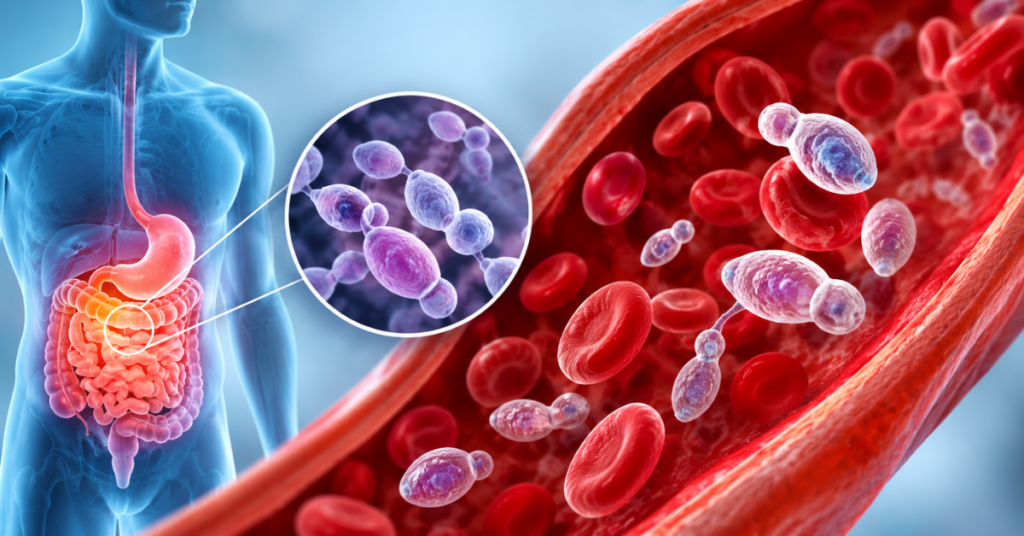
Candida is a type of yeast that normally lives on the skin and inside the gut. Usually, it causes no problems. In some people, it can get into the bloodstream and cause candidemia, a type of invasive candidiasis. This is more common in people who are very ill or have certain risk factors.
What Is Candidemia Infection?
Candidemia is Candida in the blood. It can spread to the heart, eyes, bones or joints. Fever and chills are common, but symptoms can be difficult to detect when patients have another illness.
How Does Candida Enter The Bloodstream?
When protective barriers are broken down, Candida can enter the bloodstream. It can migrate from the digestive tract if there is injury to the intestinal lining, including after some abdominal conditions or surgery. Candida also has access through a central venous catheter or other medical devices. It can also be spread from other infected sites.
Who Is More At Risk?
The risk is greater in people who are critically ill or have a prolonged intensive care unit stay. Other risk factors include a central venous catheter, abdominal surgery, broad-spectrum antibiotics, kidney failure or dialysis, cancer, very low white blood cell counts, and certain organ or stem cell transplants. Premature babies with very low birth weight are also more at risk.
Candidemia Symptoms And Signs
Symptoms are often non-specific. You may get a fever and chills even if you are treated for a possible bacterial infection. Weakness, low blood pressure, or symptoms of another infected organ may also occur. Identification of Candida requires testing.
What Tests Are Used To Diagnose Candidemia?
Doctors usually use blood cultures to look for Candida. The lab can identify the species and do susceptibility testing to help guide treatment. Doctors may also check other organs or medical devices for infection.
Treatment Of Candidemia: How Is It Treated?
Treatment is with anti-fungal medication, usually given through a vein at first. Echinocandins are the drugs of choice in adults, but others may be appropriate in selected cases. Doctors may repeat blood cultures to confirm clearance and to address a removable source such as an infected catheter. Treatment is determined by the Candida species, susceptibility, health and site of infection.
Candidemia should be suspected early, as bloodstream infection can involve other body parts, making early medical evaluation important. Those with risk factors and persistent fever should seek medical evaluation. Treatment of Fungal Infection Treatment (Mucormycosis, Candidiasis) is individualized based on the type and site of infection.
FAQs
What is candidemia?
Candidaemia is a blood infection caused by candida.
How does Candida enter the blood?
It can enter through damaged barriers , through abdominal surgery or problems , or through central venous catheters .
What are the common symptoms?
Fever and chills are common but symptoms may be subtle.
Who is at risk for candidemia?
The risk is greater with catheters, surgery, immune problems or prolonged antibiotics with serious illness.
How do you treat candidemia?
Doctors prescribe antifungal drugs and look at blood cultures. Choice depends on species, susceptibility, site of infection and condition.